
Public Speaking and Presentation Workshop Venue in Montreal: Host Guide
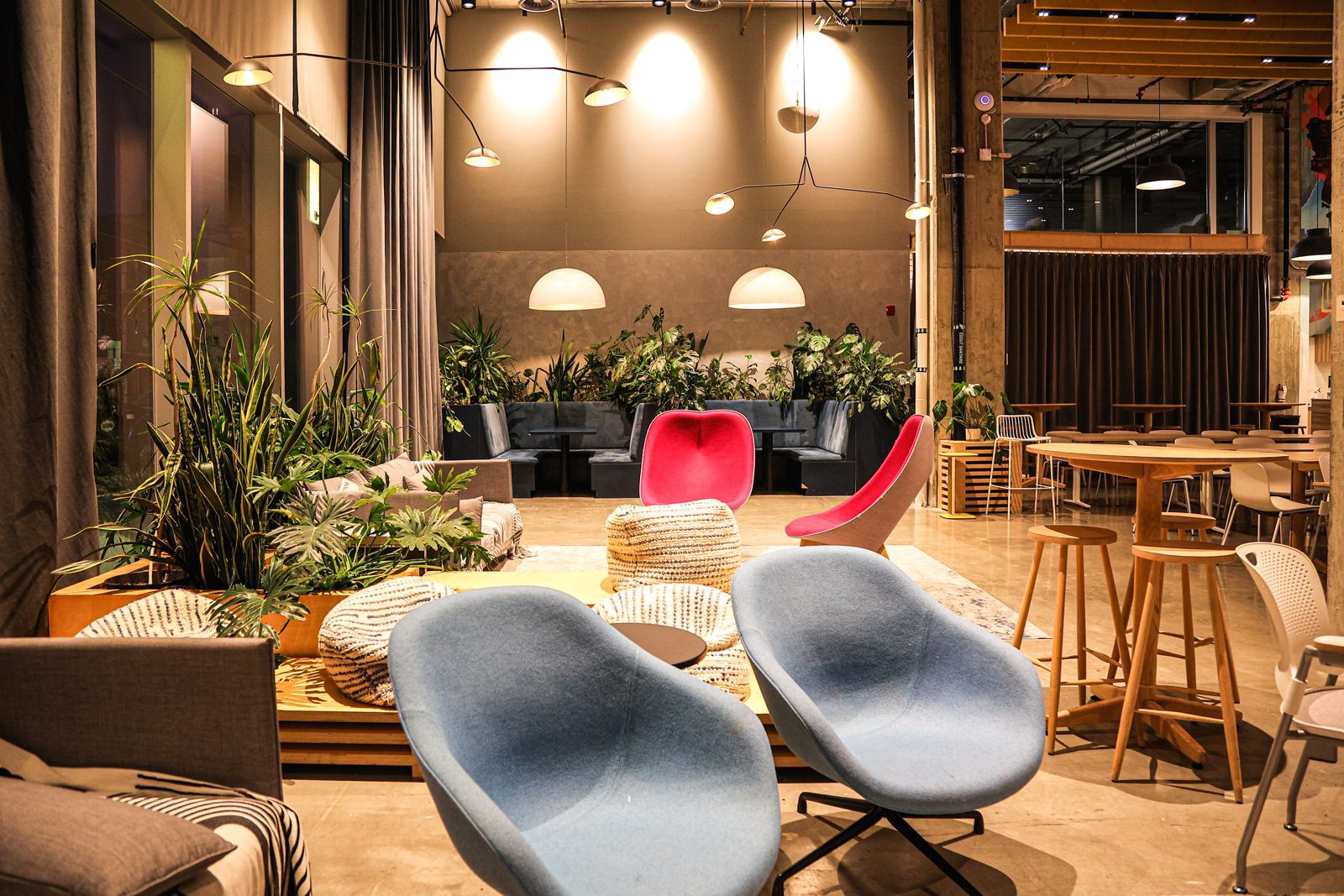
Strong communication, pitch delivery, and public speaking skills are fundamental assets for corporate leaders, sales teams, and emerging entrepreneurs. Across Montreal’s vibrant business ecosystem, companies and training organizations frequently host public speaking workshops, executive presentation masterclasses, and speech coaching sessions. Achieving meaningful learning outcomes in a training workshop requires an adaptable environment where participants feel comfortable stepping onto a stage, delivering practice speeches, and receiving constructive peer feedback. Located on Waverly Street in Mile End, Espaces Waverly offers a versatile, modern venue ideally suited for interactive skill-building events.
Hosting a memorable public speaking or presentation skills workshop involves more than hiring an expert facilitator. It requires meticulous logistical preparation—from spatial stage design and audio amplification to run-of-show scheduling and break coordination. This comprehensive operational guide covers key considerations for corporate trainers, event organizers, and human resource professionals planning a workshop in Montreal.
Workshop Architecture and Interactive Learning Principles
Effective public speaking workshops rely on high-engagement, experiential learning models rather than passive lectures. To maximize participant skill development, workshop facilitators should structure sessions around three core pedagogical phases:
- Foundational Mechanics: Body language posture, vocal projection, breath control, and narrative speech structure.
- Active Practice Rounds: Repeated short presentation drills in front of small peer groups and the full audience.
- Constructive Feedback Loops: Structured review sessions incorporating facilitator notes, peer evaluations, and video playback analysis.
Creating a psychological safe space where participants can overcome stage fright requires an intimate, welcoming setting. The neighborhood charm of Mile End provides an inspiring backdrop that puts attendees at ease from the moment they arrive.
Operational Run of Show for a Presentation Skills Workshop
A structured schedule keeps participants energized and ensures every attendee receives adequate floor time to deliver practice presentations. The table below illustrates a recommended full-day workshop run of show:
| Time Block | Activity & Module | Participant Learning Focus | Facility & Room Setup Notes |
|---|---|---|---|
| 08:30 – 09:00 | Participant Check-In & Coffee | Welcome, networking, and workbook distribution | Reception desk and continental breakfast station |
| 09:00 – 10:15 | Module 1: Voice Projection & Presence | Vocal warm-ups, posture, and overcoming stage anxiety | Open floor arrangement without tables for movement |
| 10:15 – 10:30 | Morning Refreshment Break | Rest and informal peer discussions | Coffee and healthy snack service in lounge area |
| 10:30 – 12:15 | Module 2: Narrative Structure & Slide Pitching | Crafting compelling elevator pitches and executive slides | Presenter stage focus with screen projection system |
| 12:15 – 13:15 | Networking Lunch | Casual conversation and energy recharge | Catered lunch setup in dining/breakout space |
| 13:15 – 15:00 | Module 3: Small Group Practice & Recordings | Delivering 3-minute speeches with video capture | Breakout pod pods with playback monitors |
| 15:00 – 15:15 | Afternoon Energy Break | Hydration and quick break before final presentations | Beverage bar and fruit/pastry station |
| 15:15 – 16:30 | Module 4: Keynote Showcases & Peer Reviews | Final speech showcase in front of full audience | Theater-style seating facing central presentation area |
| 16:30 – 17:00 | Debrief & Certificate Presentation | Actionable takeaways, commitments, and closing remarks | Group photo and wrap-up social gathering |
Key Budget Categories for Workshop Facilitators
A clear budget framework ensures all operational aspects are funded appropriately. When planning a public speaking or presentation skills training workshop in Montreal, account for these primary expense categories:
- Venue Rental & Space Allocation: Main workshop floor hire, breakout rooms for small-group coaching, and reception lounge access.
- Facilitator & Guest Speaker Fees: Compensation for lead coaches, voice trainers, and guest executive evaluators.
- Audio-Visual & Recording Infrastructure: Wireless microphones, presentation screens, video recording cameras, and playback monitors.
- Catering & Refreshments: Morning coffee, tea, breakfast items, catered lunch, and afternoon refreshments to maintain energy levels.
- Course Materials & Printing: Printed participant workbooks, feedback rubrics, name badges, and completion certificates.
- Marketing & Participant Acquisition: Digital event promotion, ticket processing, and corporate attendee outreach.
Room Setup, Audio Considerations and Facilitator Checklist
The physical layout of the room must seamlessly support transitions between full-group lectures, standing physical drills, and small-group coaching circles. Clear sightlines and crisp audio quality are vital so every speech can be heard without straining.
Use this practical checklist to prepare your workshop space before attendees arrive:
- Set up a designated presentation area or stage zone with clear sightlines from all seat rows.
- Configure flexible seating (semi-circle or cabaret pods) that allows rapid transition to standing group exercises.
- Test lapel or handheld wireless microphones to ensure natural voice amplification across the room.
- Position presentation screens high enough to remain visible above standing presenters.
- Designate separate breakout pods for small-group practice rounds and video review sessions.
- Provide flipcharts, whiteboard markers, and evaluation rubrics at each practice breakout station.
- Maintain clear walkways for facilitators and videographers moving between practicing attendees.
Essential Venue Questions to Ask Espaces Waverly
To guarantee a smooth workshop execution, discuss these specific logistical and technical questions with the venue management team during your planning calls:
- Audio & Acoustics: What microphone setups, sound amplification systems, and acoustic features are available for public speaking training?
- Display & Recording Tech: What screen projection capabilities, HDMI connections, and video playback systems can be used during practice sessions?
- Wi-Fi & Digital Access: Is high-speed Wi-Fi available for attendees uploading practice speech videos or downloading digital workbooks?
- Catering Options: What coffee break arrangements and catering partnerships are available to keep participants energized throughout the day?
- Outdoor & Break Access: Can participants access courtyard or rooftop spaces during practice breaks for fresh air and vocal exercises?
- Accessibility & Parking: What are the venue entry protocols, local public transit connections, and nearby parking options for attendees?
Inclusion, Accessibility and Remote Participants
A presentation skills workshop only works if every participant can rehearse out loud. Build your invitation list and room plan around that principle from the start. Ask attendees in advance about mobility needs, hearing or vision accommodations, language preference and whether they need a quiet space between exercises. Use a registration form rather than informal hallway conversations, so the answers reach the facilitator instead of staying with the coordinator.
Seat the room in a horseshoe or cabaret layout so participants can see each other react, which is half the learning. Reserve front-row places for anyone who reads lips or uses a hearing device, and keep the facilitator’s sightline clear of lecterns and laptop stacks. If you plan to record rehearsals for feedback, say so in writing before the session and explain how the recordings will be stored and deleted, because camera nerves change how people perform.
For remote participants, run a hybrid track with a dedicated moderator rather than a single camera at the back of the room. The moderator relays audience questions, repeats in-room comments for the online group, and gives remote speakers a scheduled slot so they are not forgotten. Test the connection, the shared slide deck and the audio levels at least thirty minutes before the first exercise, and keep a dial-in fallback in case the room network is saturated. Ask the venue about connectivity, microphone coverage and power for recording gear when you visit, and confirm those details in your booking notes.
Host Your Workshop in Mile End
Providing your team or clients with top-tier presentation and public speaking training builds confidence, sharpens leadership communication, and enhances brand impact. Espaces Waverly on Waverly Street offers an inspiring, versatile environment tailored for interactive corporate events in Montreal.
To explore room configurations, check date availability, and discuss catering arrangements for your presentation workshop, contact the venue team through the Espaces Waverly portal today.