Creative Brainstorming Session in Montreal: Complete Venue Guide
Innovation rarely happens in sterile, windowless boardrooms around static conference tables. When companies need to generate bold breakthrough ideas, solve complex product challenges, or chart new strategic directions, the physical workspace acts as a direct catalyst for creative thinking. Environmental psychology demonstrates that natural daylight, flexible furniture layouts, high ceilings, and freedom of movement significantly boost cognitive flexibility, ideation output, and team collaboration.
Located in Mile-End—Montreal’s creative neighborhood populated by tech innovators, design agencies, and artistic studios—Espaces Waverly (espaceswaverly.ca) offers a versatile venue option engineered for brainstorming sessions and innovation workshops. In this comprehensive guide, we examine essential features of a productive brainstorming space in Montreal and provide actionable advice for planning impactful ideation workshops that turn bold concepts into executed projects.
1. Natural Daylight, High Ceilings, and Environmental Psychology
Architectural volume and light directly impact human cognition and creative problem-solving. Research in spatial design indicates that high ceilings encourage creative, abstract thinking, while abundant natural daylight helps maintain alertness, reduces eye strain, and fosters a positive mood throughout intensive team sessions.
When selecting an ideation space in Montreal, tour prospective rooms to evaluate daylight exposure, window orientation, and ceiling height. Choosing spaces with generous natural lighting prevents cognitive fatigue during multi-hour workshops and supports active, enthusiastic team participation throughout the ideation process.
2. Flexible Furniture and Dynamic Spatial Layouts
Static conference tables enforce rigid seating hierarchies and encourage passive listening rather than active participation. An effective brainstorming venue should feature lightweight, modular furniture that can be reconfigured rapidly to suit shifting agenda needs throughout the workshop day.
Planners should evaluate whether the venue provides adaptable layout options, such as:
- Modular Seating: Moveable chairs, ottomans, and mobile tables that allow small sub-groups to form spontaneously during breakout exercises.
- Standing Workstations: High-top tables or standing areas that keep physical energy dynamic during rapid idea generation sprints.
- Breakout Corners: Soft lounge seating areas where pairs can step aside for quick ideation discussions without leaving the main room.
Asking venue coordinators about available mobile seating and room dividers allows facilitators to adjust spatial dynamics as workshop energy evolves.
3. Analog and Digital Collaboration Tools
Visualizing concepts on expansive whiteboard surfaces transforms abstract thoughts into tangible frameworks. Combining analog collaboration tools with digital display technology ensures all team members can participate actively regardless of learning style or technical preference.
Key collaboration infrastructure to confirm with venue coordinators includes:
- Whiteboard Surfaces: Are wall-mounted whiteboards, mobile dry-erase glass boards, or paper flipcharts available for brainstorming maps and concept sketching?
- Digital Displays: Can laptops connect easily to displays or projectors to share digital prototypes, mood boards, or slides during discussions?
- Workshop Supplies: Inquire whether sticky notes, dry-erase markers, whiteboarding supplies, and mounting tape are provided on site or should be brought by your facilitation team.
4. Movement, Kinetic Freedom, and Mental Resets
High-intensity ideation consumes substantial cognitive energy. Incorporating physical movement breaks helps refresh focus and stimulates fresh perspectives during session plateaus when teams encounter creative blocks or strategic impasses.
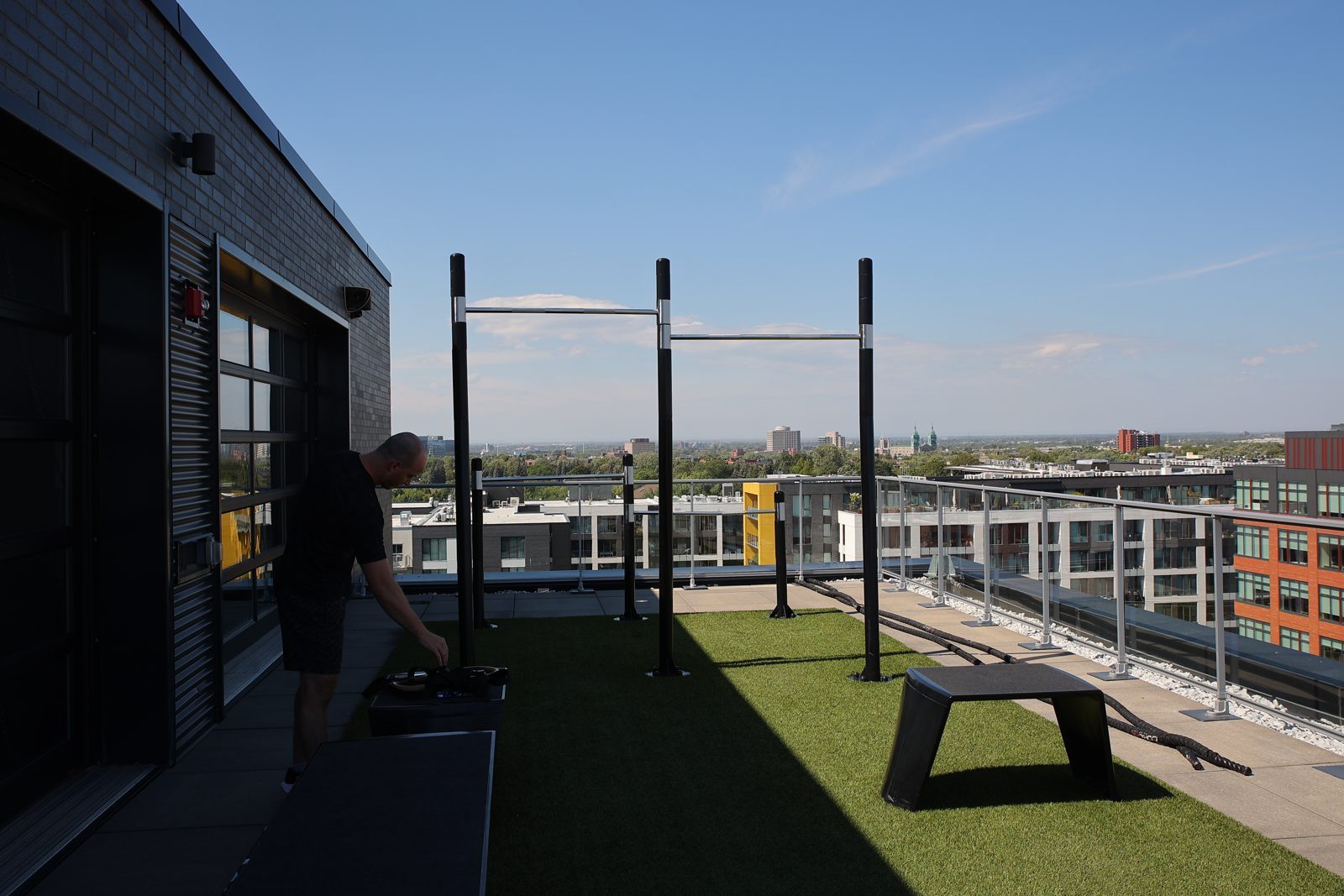
Ask venue coordinators about available breakout spaces, outdoor areas, or adjacent lounges where attendees can take short walks, enjoy fresh air, or participate in physical icebreakers during planned agenda pauses throughout the workshop day. Physical movement triggers subconscious processing and often unlocks breakthrough insights during team offsites.
5. Fueling Cognitive Energy: Specialty Refreshments and Neighborhood Vibe
Maintaining high brain power requires continuous access to hydration, quality coffee, and healthy snacks. Avoid afternoon energy crashes by arranging balanced refreshment options throughout your workshop day.
Inquire with venue management regarding coffee and beverage service options. Additionally, taking advantage of local Mile-End bakeries, cafes, and artisan eateries for lunch breaks gives attendees a stimulating mental break before afternoon synthesis sessions.
6. Ideation Session Framework for Workshop Facilitators
To maximize creative output during your session, facilitators should structure the day into clear cadence phases that guide participants seamlessly from problem discovery to execution planning:
- Phase 1: Warm-Up & Context (30 mins): Define key challenge statements, review research findings, and run an interactive icebreaker to activate team energy and establish psychological safety.
- Phase 2: Divergent Ideation (90 mins): Rapid sticky-note brainstorming across whiteboards utilizing standing breakout clusters to generate maximum idea volume without immediate judgment.
- Phase 3: Concept Selection & Clustering (60 mins): Group related ideas, vote on top concepts, and consolidate feedback into clear, prioritized strategic themes.
- Phase 4: Synthesis & Action Planning (40 mins): Assign ownership, map next steps, and capture digital notes of visual boards for post-event implementation.
7. Sustaining Momentum After the Brainstorming Session
A brainstorming session is only as valuable as its post-workshop execution. Ensure your facilitation team captures clear digital documentation of all whiteboard walls, sticky-note clusters, and sketchpads before leaving the venue.
Photographing visual boards and compiling key takeaways into an actionable summary report guarantees that creative momentum transitions smoothly into project execution, team alignment, and organizational progress.
Supercharge Your Next Ideation Session at Espaces Waverly
Transform team collaboration in an inspiring, light-filled workspace located in Montreal’s Mile-End district. Espaces Waverly (espaceswaverly.ca) provides flexible room layouts, abundant daylight, and collaboration tools designed for high-energy brainstorming workshops.
Contact Espaces Waverly today to explore room options, confirm amenity details, and reserve your team’s next ideation venue.
Frequently Asked Questions
Why does physical environment impact creative brainstorming output?
Physical workspace features such as daylight, high ceilings, and flexible seating influence cognitive openness and mood. Spaces that permit movement and easy collaboration help teams break out of routine thinking patterns and generate creative solutions.
What collaboration tools should facilitators confirm with the venue?
Facilitators should verify the availability of dry-erase whiteboards, mobile glass boards, digital presentation screens, flipcharts, and adequate wall space for mounting sticky notes and workshop templates.
How do break spaces and physical movement aid ideation workshops?
Taking physical breaks in lounge areas, outdoor spaces, or neighborhood walking routes helps reduce mental fatigue, allowing the brain to process complex ideas subconsciously and arrive at unexpected insights.
How far in advance should team brainstorming spaces be reserved in Montreal?
It is best to reserve workshop meeting spaces 2 to 4 weeks in advance to secure your preferred date, layout setup, and technical equipment availability.
Plan Your Visit
To explore your options, contact Espaces Waverly to discuss your event or workspace needs. Confirm current availability, facilities, and terms directly with the venue before making arrangements.