
Rooftop Networking Event in Montreal: How to Create a Memorable Evening
Most networking events are forgettable. People circulate, exchange business cards that end up in a drawer, drink mediocre wine, and leave having had the same five conversations they always have at these things. The format is so familiar it’s almost ritual — and rituals don’t produce surprises.
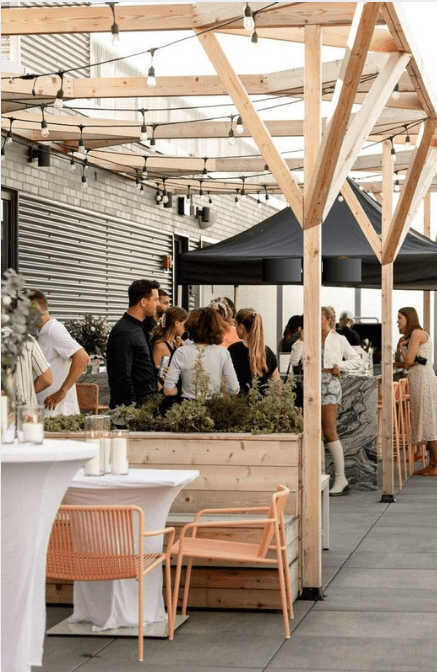
A rooftop networking event Montreal done well is something different entirely. The combination of an elevated outdoor setting, the visual energy of a city skyline at dusk, a well-curated guest list, and the right food and drink creates conditions for genuine connection. People are more relaxed. The conversation flows more naturally. The setting itself becomes a talking point.
Here’s how to do it right.
Why Outdoor Settings Change the Social Dynamic
There’s solid psychology behind why people connect better in outdoor environments. Open air reduces the social tension that often exists in enclosed professional settings. The informality of being outside signals that this isn’t a boardroom — which lowers guard and increases authenticity.
Add a rooftop setting specifically, and you layer in a sense of occasion. Being above the city, watching the light change, with Montreal’s skyline in the background — that’s a shared sensory experience that gives everyone in attendance something to respond to collectively. Shared experiences create bonds. Shared sensory experiences create stronger ones.
The Elements That Make a Networking Event Worth Attending
Let’s be direct: most professionals attend networking events grudgingly. They go because they should, not because they want to. The events that break through that reluctance and become genuinely anticipated are the ones that get a few things right:
A curated, relevant guest list. Nothing kills a networking event faster than a room full of people who have nothing useful to say to each other. The best events are intentionally scoped — a specific industry, a specific professional challenge, a specific community. Smaller and more relevant always beats larger and generic.
A reason to talk. Cold networking — walking up to a stranger and asking what they do — is socially uncomfortable for most people. The best event formats create natural reasons to interact: a brief talk that everyone can respond to, a structured introduction round, a shared activity, or even just a physical layout that makes conversation feel natural rather than forced.
Good food and drink. This sounds obvious, but it’s consistently underestimated. The quality of the catering communicates something about how the organizer values the guests’ experience. Thoughtfully chosen food that works for cocktail networking — easy to eat while standing, not messy, interesting enough to comment on — is a detail that elevates the whole evening.
An ending time. Events without a clear end time overstay their welcome. The best networking events have a natural rhythm: arrival and early mingling, a brief focal moment (a talk, an introduction, a toast), a peak period of energy, and then a clear signal that the evening is winding down. This keeps energy high throughout instead of letting it gradually dissipate.
Planning the Guest Experience from Invitation to Exit
The experience starts with the invitation. A well-designed invitation communicates the quality of the event before anyone has confirmed attendance. It should convey: who this is for, why it’s worth their time, what the setting will feel like, and exactly what they need to know to attend with zero friction.
The arrival experience matters more than most organizers realize. For an outdoor or rooftop event, the path from street to event space should feel intentional — not like wandering through a back corridor trying to find the elevator. A welcoming reception point, a clear drink-in-hand moment as soon as guests arrive, and a space that’s already populated and buzzing (not empty and awkward at arrival) all contribute to immediate comfort.
During the event, resist the urge to over-program. One brief focal moment — 10-15 minutes maximum — is enough. More than that starts to feel like a conference that happens to have better lighting.
Using the Space as a Conversation Starter
In a rooftop setting, the space itself does a lot of work for you. The view, the lighting, the air — people comment on it. Use it deliberately:
- Position the bar or drinks station with the best view, so people naturally gather there and share the experience.
- Arrange seating (if any) in small clusters that invite conversation without creating fixed groups.
- Light the space warmly — this is almost always more flattering and conducive to connection than bright overhead lighting.
Why Espaces Waverly Works for Evening Events
Espaces Waverly’s event spaces and exterior areas in Mile-End provide exactly the kind of atmosphere that makes an evening feel special without feeling pretentious. The aesthetic is contemporary and warm — it photographs well, it feels right for a professional but relaxed gathering, and it doesn’t carry the stiffness of a hotel ballroom.
The on-site catering team means you’re not coordinating food and drink separately, and the central Mile-End location means your guests can arrive easily by metro, bike, or taxi and continue their evening in the neighbourhood afterward.
FAQ
What’s the ideal guest count for a rooftop networking event?
Somewhere between 40 and 100 tends to work best for outdoor networking events. Too small and the energy feels thin; too large and meaningful conversation becomes impossible amid the noise.
How do I curate a guest list that creates real connections?
Define one or two specific professional contexts the event is for — a specific industry, a specific challenge, a specific career stage. Then invite people who genuinely fit those criteria, even if it means a smaller list.
What happens if the weather doesn’t cooperate?
For any outdoor event in Montreal, have a clear indoor backup plan. Espaces Waverly has interior event spaces that can absorb an outdoor crowd if needed.
How long should a networking event run?
Two to two-and-a-half hours is the sweet spot. Long enough to have real conversations; short enough that energy doesn’t dissipate before the end.
Is it possible to add a speaker or short program to a networking event?
Yes — a 15-minute talk from a relevant speaker at the midpoint of the evening can dramatically increase the quality of conversation afterward. It gives everyone a common reference point.
Next Step
Ready to plan a rooftop networking event Montreal that people actually look forward to?
Reserve your evening event space → Events & Catering Reservations