
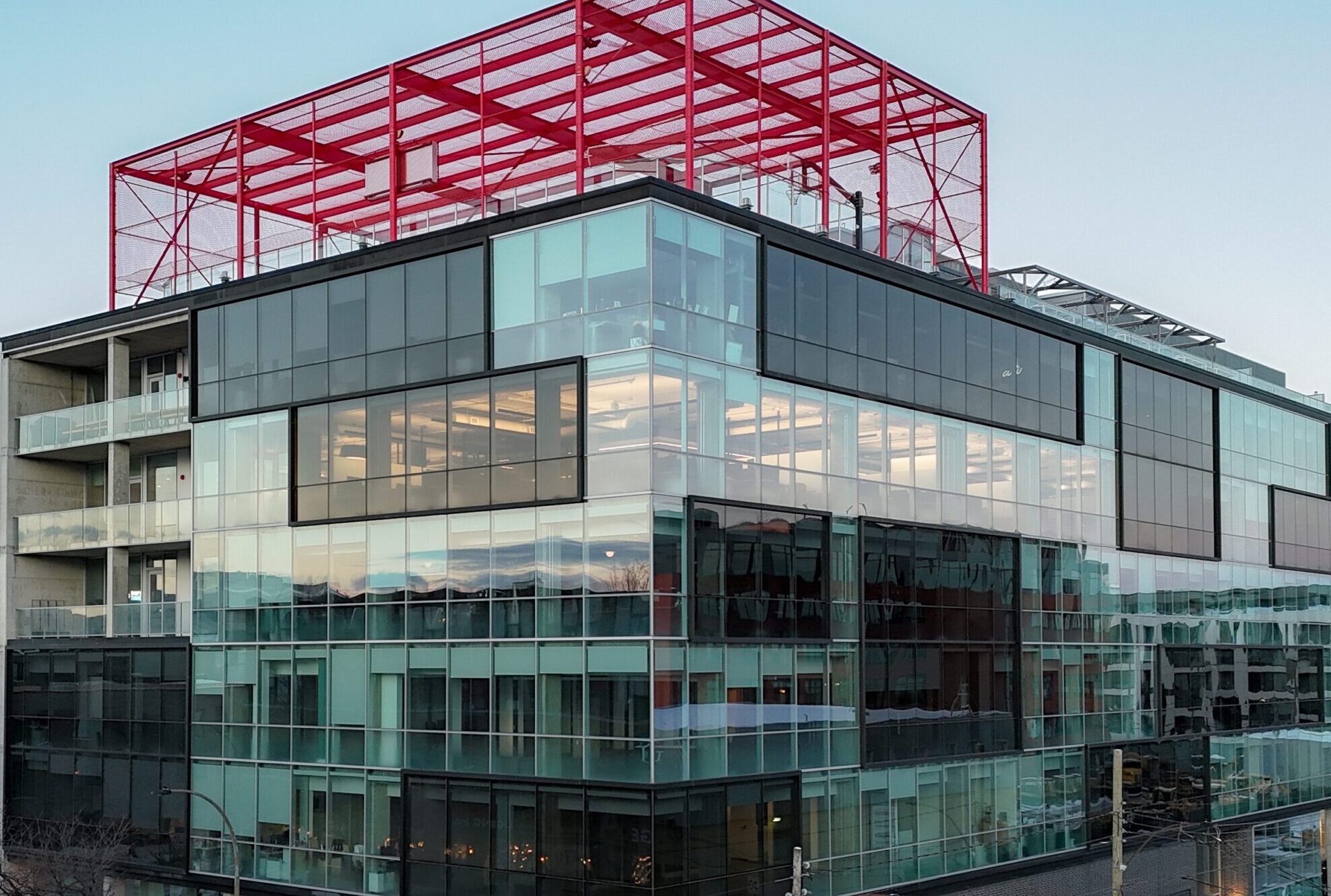
Organizing a professional event in a flexible space or business center has become a popular practice among companies seeking to combine agility, professional image, and efficiency. Unlike hotel rooms or traditional offices, which are often rigid, flexible spaces allow you to configure the environment according to the specific objective of the event, whether it’s a conference, training session, product launch, collaborative workshop, or corporate cocktail party. However, flexibility does not mean improvisation. A successful event relies on structured planning, a clear understanding of objectives, and rigorous coordination.
Define the purpose of the event
The first step is to clarify the purpose of the event. Is it an internal event aimed at mobilizing your teams, a networking activity, or a product launch designed to generate sales? Identifying the objective will guide all your choices, from the layout of the room to the necessary equipment and the program for the day. In a modern business center, the versatility of the spaces makes it easy to adapt to the specific needs of the company and the type of participants.
Choosing the right flexible space
Not all flexible spaces are created equal. A business center worthy of the name offers much more than just a meeting room. It provides a complete professional environment with integrated services. It is therefore important to choose a space based on its capacity, modularity, availability of audiovisual equipment, and internet quality. Accessibility and proximity to transportation are also key factors in ensuring optimal participation. Finally, the overall atmosphere of the space directly influences the perception of your brand. Lighting, layout, and furniture all contribute to creating an environment conducive to concentration and interaction.
Determine the format and structure
Once the space has been reserved, it’s time to define the program. In a flexible environment, there are many possibilities: keynote presentations, small group workshops, interactive sessions, or networking opportunities. The important thing is to design a coherent structure that supports the event’s objectives. For example, if the goal is collaboration, a workshop or circle layout will encourage discussion and creativity. Modern business centers often allow you to change the configuration throughout the day, alternating between plenary presentations and more intimate workshops.
Plan technical and logistical aspects
Technical details are essential to the success of a professional event. You need to ensure that the microphone, projector, sound system, and lighting meet the needs of the presentation. More and more events include remote participants, making online streaming or recording a must. It is therefore crucial to test all equipment before participants arrive. Logistics also include reception, registration, signage, and traffic flow within the space, all of which contribute to a smooth and professional experience.
Create a consistent experience
Organizing an event in a business center is not limited to the meeting itself: it’s about creating a complete experience. The layout of the space, the decor, and the quality of the furniture all contribute to the image your company will project. The welcome and service also contribute to the overall perception. Coffee breaks and catering services are opportunities to enhance participants’ comfort and encourage informal exchanges. The goal is to transform the room into a space that is both professional and pleasant.
Communication and follow-up
The success of an event begins well before the big day. Communication with participants must be clear, specifying the objective, program, and benefits of the event. During the day, signage and visual communication reinforce the company’s identity. After the event, careful follow-up helps prolong the impact: thanking participants, sharing photos or videos, and possibly conducting a satisfaction survey help capitalize on the experience and improve future editions.
Manage the budget
One of the advantages of a business center is cost control. Often, the rental includes several services, thereby reducing additional expenses. However, it is important to detail the budget carefully, taking into account the room rental, technical equipment, catering, promotional materials, and any recording of the event. Allowing for a margin for unforeseen circumstances ensures that the quality of the experience is not compromised.
Encouraging participant engagement
Participant engagement is key to the success of an event. In a flexible space, it is possible to incorporate interactive moments, collaborative workshops, or Q&A sessions. Modular environments encourage closeness and active participation, while digital tools, such as live polls, enhance interaction and maintain attention throughout the day.
Anticipate the unexpected
Even with careful planning, unforeseen events can occur. Delays, technical issues, or last-minute changes are all part of the process. A well-equipped business center with an on-site team can quickly manage these situations. Having backup plans for key elements, such as a local copy of presentations or backup equipment, significantly reduces stress for organizers.
Assess the impact
Post-event evaluation is essential for measuring success and improving future editions. This may include analyzing participation rates, participant satisfaction, leads generated, and the impact on brand awareness or sales. Business centers equipped with event spaces also allow you to capture professional images or videos, providing reusable content to strengthen your company’s communications.
In summary, organizing a professional event in a flexible space or business center combines strategic planning, careful choice of venue, and attention to technical and human details. The flexibility of the venue allows you to tailor the experience to your objectives, create an environment conducive to exchange, and strengthen your company’s image. When well orchestrated, an event in a business center becomes a real lever for performance and visibility for any organization.