
A new definition of professional space
In Montreal, the concept of business centers has evolved significantly in recent years. Once seen as simply a collection of offices for rent with a few shared services, today they represent a truly integrated professional ecosystem. A modern business center does more than just provide an address and four walls: it offers a structured, flexible, and strategic environment that supports business growth. In an economic climate marked by uncertainty, rapid innovation, and changing ways of working, this comprehensive approach meets real needs. Organizations are now looking for solutions that can adapt to their business cycles, hybrid teams, and branding requirements. The business center is thus becoming a strategic tool, just like a financial plan or marketing strategy.
Contract flexibility and scalability
One of the key features of a modern business center in Montreal is the flexibility it offers in terms of commitment and configuration. Unlike traditional commercial leases, which are often signed for several years and difficult to modify, business centers offer more flexible terms. This flexibility allows companies to quickly adjust their space as they grow. A growing startup can expand its office without moving. An SME restructuring its teams can reduce its floor space without major penalties. An international organization can test the Montreal market with a gradual rollout before making long-term decisions. This adaptability represents a significant strategic advantage, as it limits the financial risks associated with real estate and promotes more agile resource management.
A comprehensive and integrated infrastructure
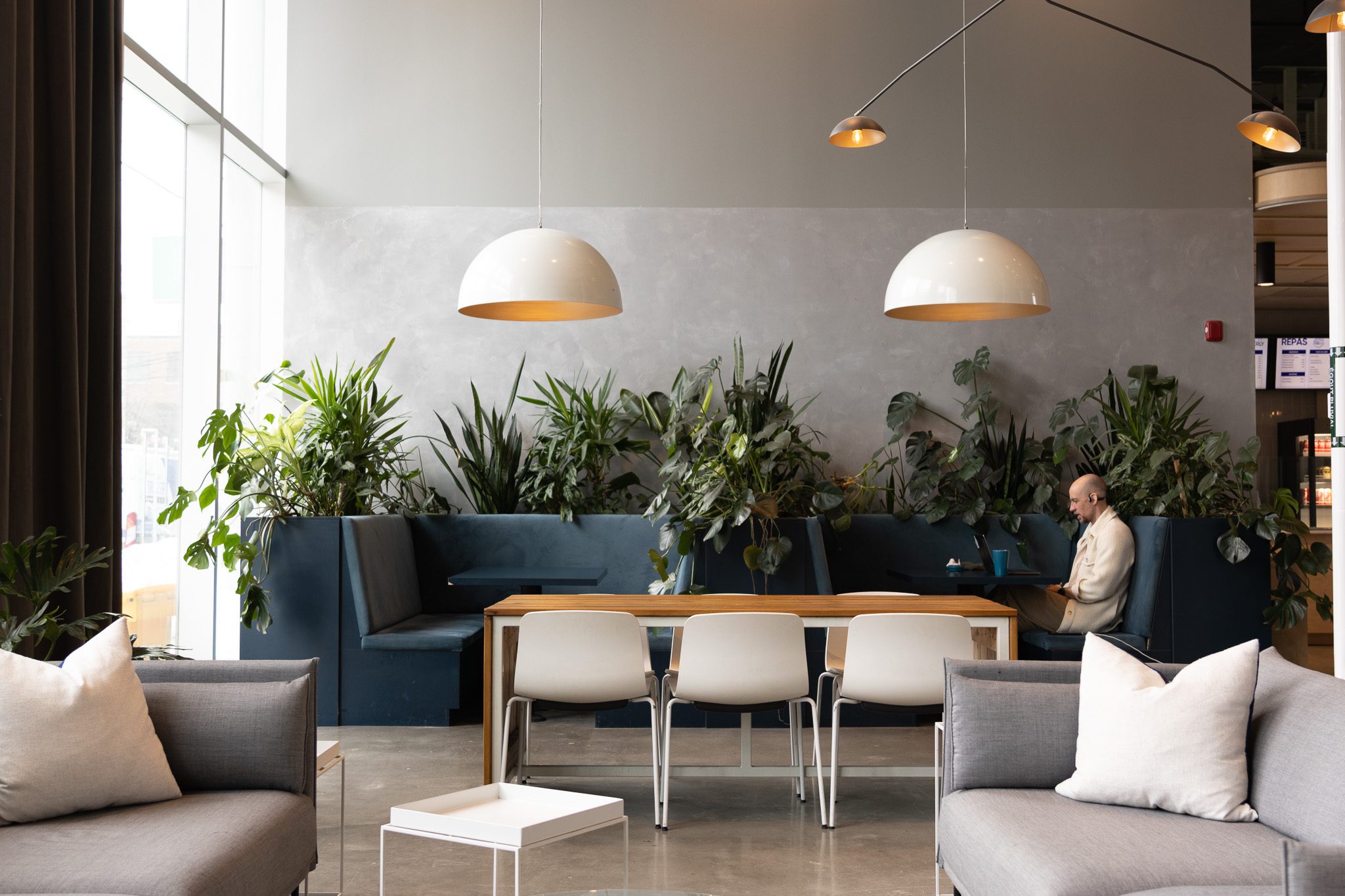
A modern business center does not just provide private offices. It offers a complete infrastructure including equipped meeting rooms, collaborative spaces, relaxation areas, and often modular event spaces. This diversity of spaces makes it possible to meet different professional needs within the same location. A team can organize a strategic meeting in the morning, welcome a client in a conference room in the afternoon, and then hold a training session or workshop in an event space the next day. This centralization simplifies logistics and enhances organizational consistency. The company benefits from a structured professional environment without having to invest in the complete refurbishment of each facility.
Services that simplify day-to-day management
Beyond physical space, modern business centers offer services that facilitate day-to-day business operations. Visitor reception, mail handling, cleaning services, high-speed Internet access, ergonomic furniture, and technical support are typically included in the package. Some business centers also offer assistance with organizing corporate events, including logistics coordination and audiovisual support. This centralization of services reduces internal administrative burdens and allows teams to focus on their strategic priorities. For an SME or growing business, this simplification represents significant time savings and resource optimization.
A lever for image and credibility
A company’s business address and the environment in which it operates directly influence the perception of customers, partners, and investors. In Montreal, a modern business center is often located in a strategic, easily accessible, and dynamic neighborhood. This location helps to reinforce the company’s credibility and visibility. The refined architecture, contemporary design, and bright spaces also contribute to the overall experience. Receiving a customer in a well-designed environment that is technologically equipped and aesthetically consistent reinforces confidence and an image of professionalism. The business center thus becomes a strategic positioning tool, beyond its purely operational function.
The integration of event spaces
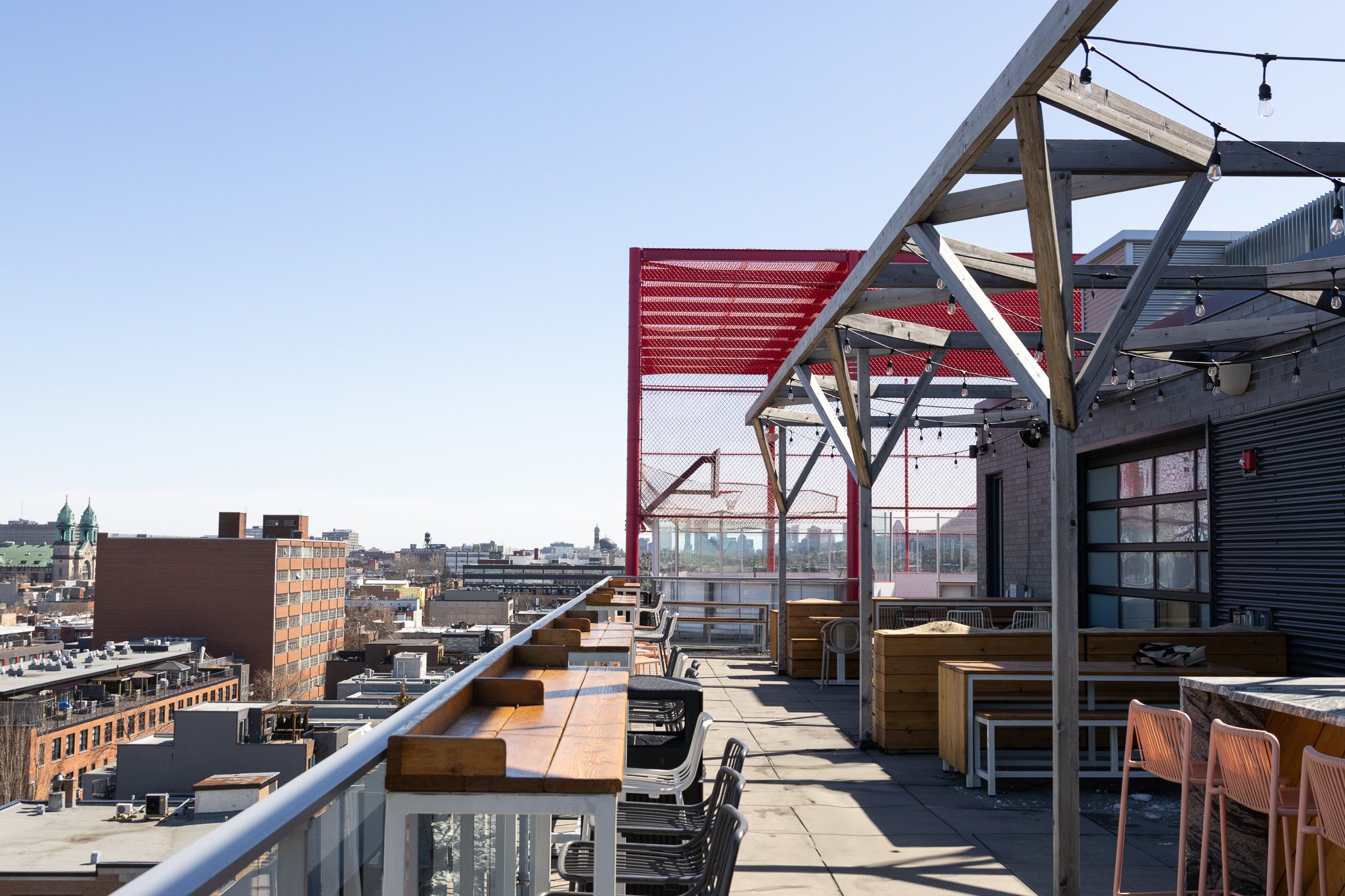
A distinctive feature of contemporary business centers in Montreal is the integration of event spaces within the structure itself. This combination allows companies to organize conferences, training sessions, product launches, or corporate meetings without leaving their professional environment. Direct access to these spaces simplifies planning and reduces the logistical costs associated with renting an external venue. In addition, the consistency between the offices and the event space reinforces brand identity and ensures continuity in the experience offered to guests. This integration illustrates the transformation of the business center into a comprehensive platform for development and outreach.
A response to the new realities of work
Hybrid working, professional mobility, and digitalization have changed expectations for professional spaces. Companies are now looking for environments that can accommodate variable teams, remote workers, and temporary projects. Modern business centers meet these needs by offering flexible, technologically advanced solutions. Rooms are equipped for videoconferencing, spaces are designed to encourage collaboration, and confidentiality is ensured for strategic discussions. This ability to support different ways of working helps maintain team productivity and engagement.
More predictable financial management
Another advantage of modern business centers is budget simplification. Costs are generally grouped into a clear pricing structure that includes essential services. This approach limits unexpected expenses related to maintenance, equipment, or variable charges. For businesses, this predictability facilitates financial planning and reduces the risks associated with traditional real estate commitments. The ability to adjust the size of the space as needed also helps avoid unused or underutilized space, optimizing the cost-to-use ratio.
An environment conducive to growth
Modern business centers act as catalysts for development. By bringing together several companies in the same professional space, they promote exchanges, opportunities for collaboration, and the creation of synergies. Without being based on the coworking model, they nevertheless offer a dynamic environment where professional interactions can emerge naturally. This proximity stimulates innovation and can open the door to new partnerships. In Montreal, a city known for its entrepreneurial dynamism, this relational aspect is an additional asset.
A model aligned with strategic agility
Beyond its physical and operational characteristics, the modern business center embodies a management philosophy focused on agility. It allows companies to maintain flexibility in the face of economic fluctuations, organizational changes, and new market opportunities. Rather than being tied to a rigid structure, they operate within an adaptable framework that supports their trajectory. This flexibility promotes rapid decision-making and reduces the constraints associated with long-term real estate commitments.
Conclusion
A modern business center in Montreal is much more than just office space. It is an integrated environment combining flexible offices, event spaces, centralized services, and advanced technological infrastructure. It meets contemporary requirements for agility, professional image, and optimized resource management. For companies seeking to balance growth, credibility, and flexibility, the business center represents a strategic solution consistent with the current realities of the Montreal market. Far from being a temporary option, it becomes a lasting pillar in building a high-performing and adaptable organization.