The design of workspaces has changed dramatically in recent years. Long considered solely in terms of functionality and density, it is now at the heart of much broader considerations about well-being, performance, flexibility, and the meaning of work. In 2026, this evolution is accelerating, driven by new uses, more assertive human expectations, and a lasting rethinking of traditional office models.
Workspaces are no longer just places where tasks are performed. They are becoming professional living environments, capable of adapting to individual rhythms, team needs, and the constant changes in the world of work. Design plays a central role in this transformation.
The definitive shift from the fixed office to the adaptable office
By 2026, the static office is clearly a thing of the past. Companies and workers are now looking for spaces that can evolve throughout the day, week, or even project.
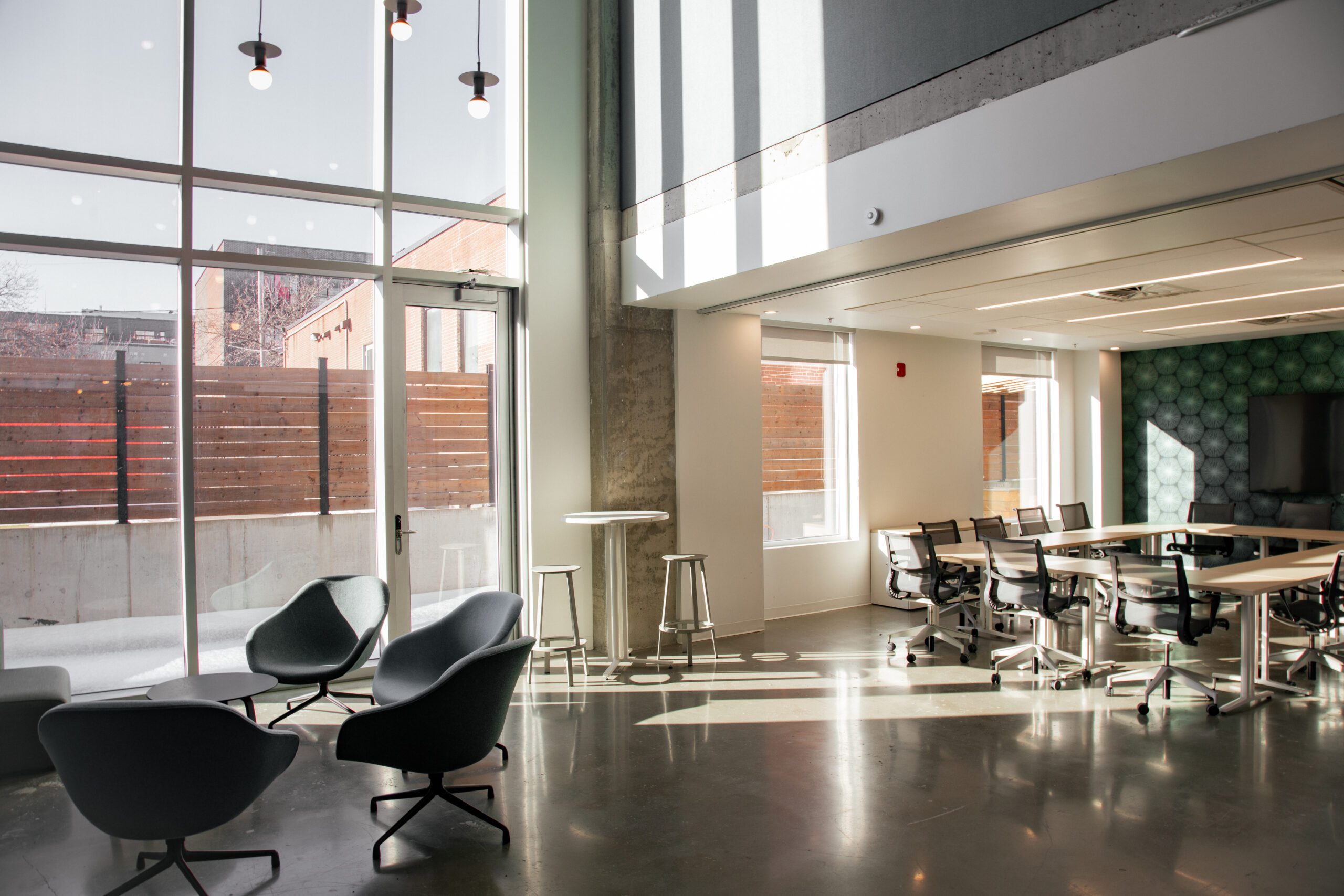
Modular design is becoming the norm. Movable partitions, repositionable furniture, and transformable spaces allow a space to be quickly reconfigured as needed. A meeting room can become a training space in the morning and a collaborative area in the afternoon.
This adaptability responds to a simple reality: ways of working are never the same from one day to the next. Design must follow this logic rather than hinder it.
Le retour de l’humain au centre des choix de design
After years marked by square footage optimization and office standardization, 2026 marks the return of people as the starting point for design.
Spaces are now designed based on actual uses: concentration, interaction, rest, creativity. Comfort is no longer a luxury, but a prerequisite. Ergonomic chairs, adjustable workstations, air quality, and controlled acoustics are an integral part of the design, not secondary options.
This refocusing on people reflects a global awareness: a well-designed workspace directly influences motivation, mental health, and long-term commitment.
The rise of hybrid zones
In 2026, the boundaries between different office functions are becoming increasingly blurred. Hybrid areas are multiplying, combining several uses in the same space.
Places are emerging that allow people to work, chat informally, and relax. A lounge area can be used for an informal meeting, individual work, or a coffee break.
This versatility encourages more natural interactions and reduces the rigidity often associated with traditional professional environments.
Design that promotes concentration
While collaboration remains important, concentration has once again become a major priority in 2026. After a period in which open-plan offices largely dominated, design is now moving towards a better balance.
Workspaces incorporate more quiet areas designed for deep work. Acoustic booths, isolated offices, and sound-absorbing materials help reduce noise and interruptions.
Design no longer seeks to make everything visible and open, but to offer options. This diversity allows everyone to choose the environment best suited to their task at hand.
The natural integration of technology
In 2026, technology is ubiquitous, but it is becoming more discreet. Workspace design no longer visually emphasizes technology; instead, it integrates it seamlessly.
Space reservation kiosks, collaborative screens, integrated videoconferencing systems, smart lighting and temperature management: everything is designed to simplify the experience without complicating it.
The goal is no longer to showcase technology, but to make it invisible and intuitive, so that it supports work rather than complicating it.
Sustainability as standard, not as a marketing argument
In 2026, sustainable design is no longer an emerging trend, but a basic requirement. The materials used, energy management, and the longevity of furniture are at the heart of decisions.
Certified wood, recycled materials, sustainable textiles, low-energy lighting, and designs built to last are gradually replacing disposable or purely aesthetic choices.
Responsible design is not limited to environmental impact. It also incorporates social considerations, such as supporting local artisans or creating inclusive and accessible spaces.
Residential inspiration increasingly present
The office of 2026 draws heavily on the residential world. This trend, which is already underway, is becoming more pronounced with spaces that resemble living spaces rather than traditional offices.
Warm colors, natural textures, soft lighting, and comfortable furniture create a welcoming atmosphere. This approach aims to reduce the emotional distance between work and personal well-being.
The design aims to make people feel comfortable in the space, without compromising the professional atmosphere necessary for communication and concentration.
The key role of natural light
Natural light has become a central element of workspace design in 2026. Studies on its positive impact on productivity and mental health have profoundly influenced architectural choices.
The spaces are organized to maximize daylight, with transparent partitions, light colors, and a more open layout for workstations.
When natural light is limited, the design relies on lighting solutions that mimic natural cycles in order to respect biological rhythms.
Customization of spaces
In 2026, the office is no longer a neutral and impersonal environment. Design promotes personalization, both individually and collectively.
The ability to adjust one’s workstation, choose one’s space according to one’s mood or activity, and integrate elements that identify with the company or community: all of this helps to strengthen the sense of belonging.
This personalization does not mean disorder, but appropriation. A space that can be adapted naturally becomes more engaging.
Design as a tool for corporate culture
Workspace design is now a powerful driver of corporate culture. In 2026, it will reflect the values, priorities, and vision of the organization.
A space that prioritizes openness and collaboration does not send the same message as a place focused on confidentiality and concentration. Design choices therefore become strategic.
Colors, materials, spatial organization, types of areas offered: everything contributes to telling a story and creating a coherent experience for teams and visitors.
The growing importance of transitional spaces
Transitional spaces will become increasingly important in 2026. Hallways, entryways, and intermediate areas will no longer be mere passageways, but spaces in their own right.
They are used to decompress between meetings, start an informal discussion, or refocus before switching tasks. The design pays particular attention to these spaces, with light furniture, a soothing atmosphere, and fluid circulation.
These spaces play a key role in the rhythm of the working day.
The office as a destination, not an obligation
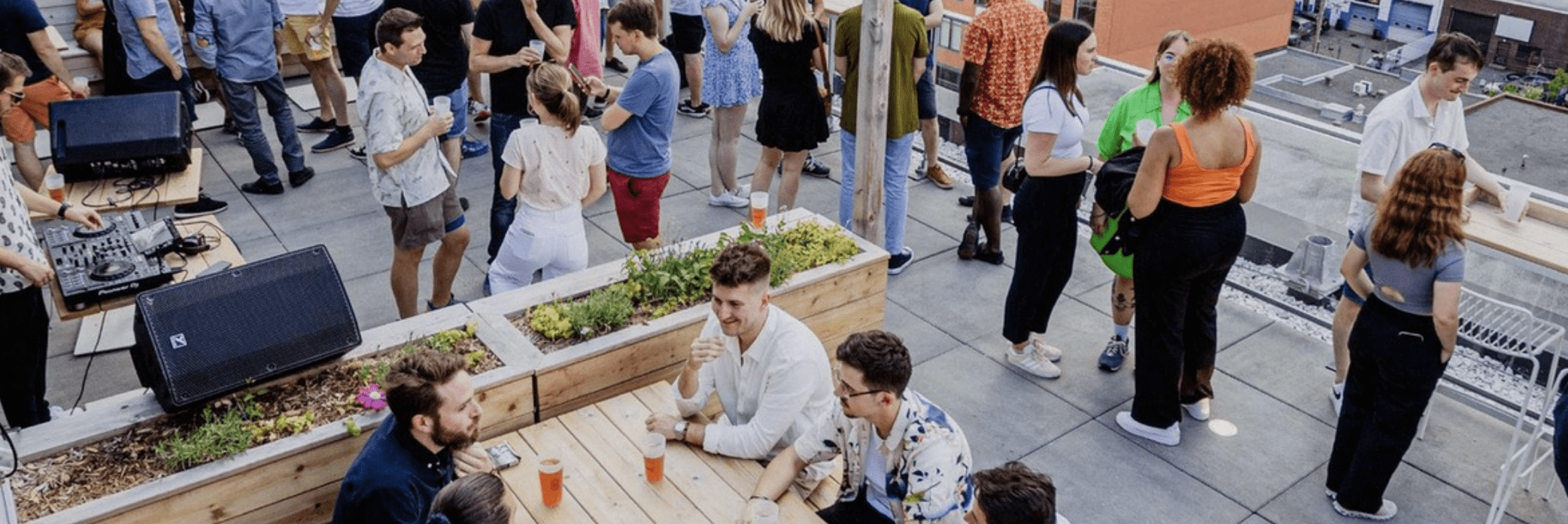
One of the major changes in 2026 is the way the office is perceived. It is no longer a place people go to out of obligation, but a destination chosen for what it offers.
Design must therefore create real added value compared to working from home. The quality of spaces, diversity of atmospheres, comfort, and opportunities for interaction become key selling points.
A well-designed space makes you want to go there, not because you have to, but because you choose to.
Conclusion
Workplace design trends in 2026 reflect a profound shift in our relationship with work. More flexible, more human, and more sustainable, the office is becoming a tool that serves individuals and organizations, rather than a rigid framework to be endured.
Design is no longer just about aesthetics. It structures uses, influences behaviors, and actively contributes to quality of life at work. Spaces that are able to anticipate these trends will be the ones that sustainably support new ways of working.
In this context, flexible and well-designed workspaces are emerging as key locations for the future of work, capable of evolving with needs without ever losing sight of what matters most: people.