In recent years, human resources has undergone a profound transformation. Employee expectations have changed, working methods have diversified, and the very concept of the office has been called into question. In this context, flexible workspaces are no longer a mere convenience or secondary benefit. They have become a major strategic lever for attracting, engaging, and retaining talent.
In Montreal, as elsewhere, companies that are rethinking how they use space are quickly seeing a direct impact on their employer brand, internal culture, and overall performance. Flexible office space is now establishing itself as a valuable HR tool, on par with teleworking policies and wellness programs.
The evolution of employee expectations
The relationship to work has changed profoundly. Employees are no longer looking solely for a competitive salary or job title. They are placing increasing importance on work-life balance, autonomy, and the quality of their work environment.
The traditional, rigid, and uniform office is increasingly failing to meet these expectations. Spending five days a week in a space that is not very adaptable, often far from home, is seen as a constraint rather than an added value. Conversely, flexibility is now associated with trust, modernity, and respect for individual needs.
Companies that offer flexible workspaces send a clear signal to their teams: they understand today’s realities and are willing to adapt. This message resonates particularly strongly with younger generations, for whom freedom of organization has become a key criterion.
The office as an extension of HR policy
For a long time, the office was primarily viewed from an operational or financial perspective. Today, it must be considered a natural extension of HR strategy. The layout, flexibility, and use of space directly influence the employee experience.
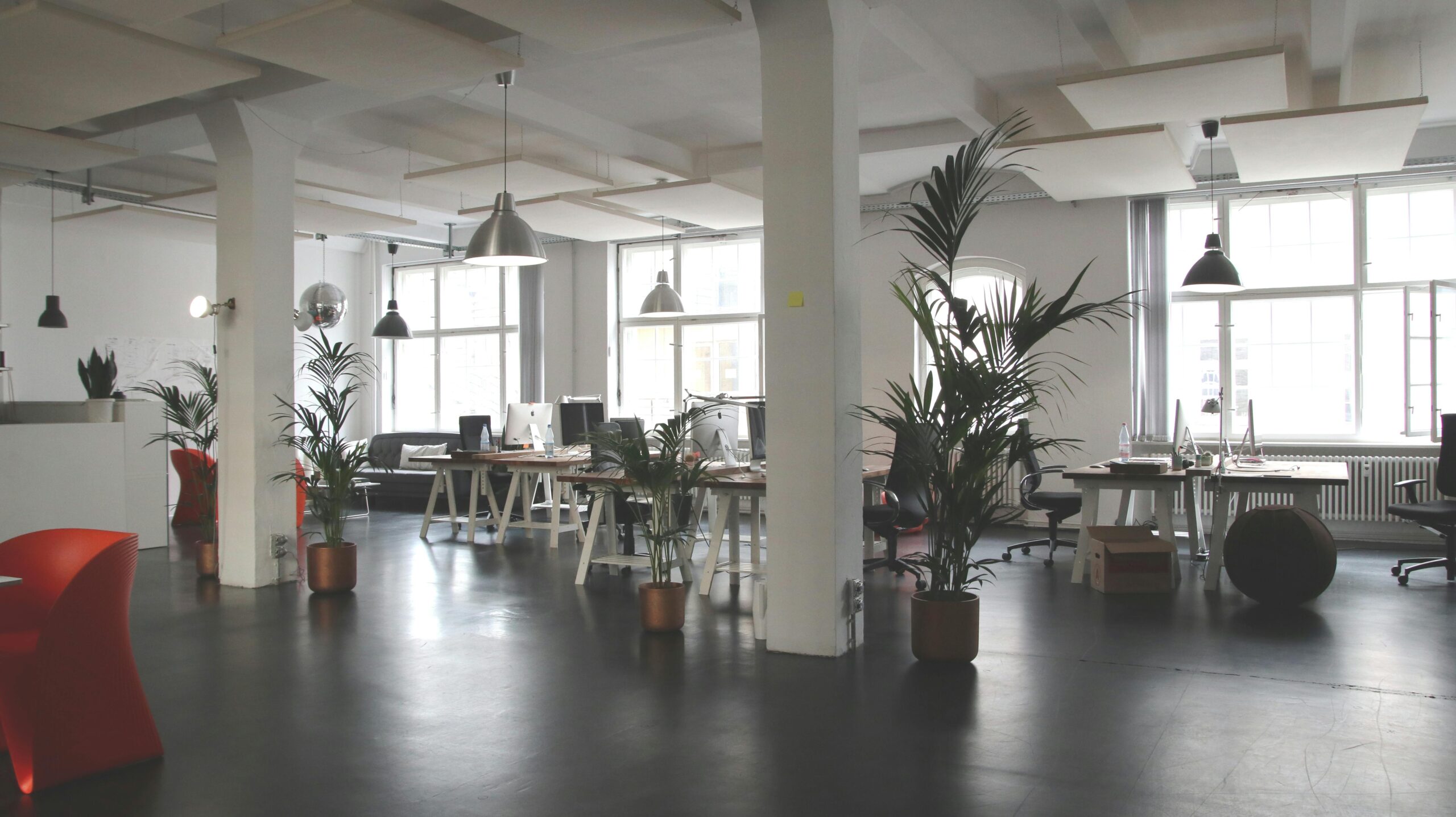
A flexible space can meet a variety of needs within the same organization. Some employees prefer quiet and concentration, while others need collaborative spaces to work as a team. The ability to adapt the environment to different tasks and profiles promotes greater efficiency and reduces sources of frustration.
From a human resources perspective, this adaptability facilitates team management and supports a more personalized approach to work, without complicating the organization.

Attracting talent in a competitive market
Recruitment has become a major challenge for many companies. In several sectors, the shortage of skilled labor is forcing employers to stand out in ways other than compensation.
The flexibility of workspaces is becoming an increasingly decisive factor in the recruitment process. Candidates research working conditions, remote working options, and the working environment before even applying for a job.
A flexible, well-located, and pleasant office enhances the company’s credibility and contributes to a positive first impression. It also reassures candidates about the organization’s ability to evolve and offer a working environment that is in line with current standards.
In this context, the office becomes a tool for seduction as much as a place of production.
Retaining employees through a suitable environment
Retaining talent is just as important a challenge as recruitment. Employees who are satisfied with their working environment are more committed, more productive, and less inclined to look elsewhere.
Flexible workspaces can support employees through different stages of their professional and personal lives. Whether it’s a temporary need to work remotely, a change in role, or a change of pace, flexibility offers valuable leeway.
By reducing unnecessary constraints, companies foster a climate of trust and strengthen the sense of belonging. The office is no longer seen as an obligation, but as a place chosen for its added value.
Flexibility and well-being at work
Well-being has become a central pillar of HR policies. Stress, mental overload, and professional fatigue are real issues that affect team performance and motivation.
Flexible workspaces directly contribute to improving employee well-being. They allow for a variety of postures, environments, and interactions. Employees can alternate between a quiet space for concentration and a collaborative area for discussion, depending on their needs.
This freedom of use reduces the pressure associated with an overly rigid framework and promotes better energy management on a daily basis. It also helps prevent burnout by offering greater control over one’s organization.
The key role of the office in hybrid organizations
With the rise of hybrid working, the role of the office has changed profoundly. It is no longer necessarily the place where people work all the time, but rather a gathering place that fosters cohesion.
In this model, flexibility of space is essential. Companies must be able to accommodate their teams in a fluid manner, organizing meetings, workshops, or social gatherings without having fixed workstations for each employee.
Flexible workspaces are the perfect solution. They optimize space utilization while providing a high-quality experience when teams meet on site.
For human resources, this is a valuable tool for maintaining connections between employees and strengthening corporate culture despite the distance.
Flexibility as a lever for engagement
Employee engagement cannot be imposed; it must be built. It is based on a number of factors, including recognition, autonomy, and the quality of the work environment.
By offering flexible spaces, companies give their employees the opportunity to choose how and where they work best. This autonomy reinforces a sense of responsibility and involvement.
Employees who feel listened to and respected in their needs are more likely to invest themselves in their work and actively contribute to collective success. Flexibility then becomes a driver of lasting engagement.
A measurable HR benefit for the company
Contrary to popular belief, workplace flexibility is not just an abstract concept or an intangible benefit. It has concrete and measurable effects on the organization.
Reduced turnover, improved employee satisfaction, increased productivity, and decreased absenteeism are all indicators influenced by the quality of the work environment.
From an HR perspective, investing in flexible spaces allows human and business objectives to be aligned without multiplying complex initiatives.
Adapting spaces to the realities of the business
Every company is unique, and the flexibility of its spaces must be adapted to its culture, activities, and teams. It is not a question of applying a standard model, but of finding the right balance between structure and freedom.
Successful companies are those that use flexibility as a tool to support their HR strategy, rather than simply as a trend. They analyze the real needs of their employees and adjust their environment accordingly.
Conclusion: the flexible office, a pillar of modern HR
Flexible workspaces have become a key HR advantage because they address the current challenges faced by companies and employees. They help attract and retain talent, improve well-being, and strengthen engagement.
In a context where organizations must constantly adapt, the flexible office offers a concrete and scalable solution. More than just a physical location, it is becoming a strategic tool at the heart of modern human resources management.