
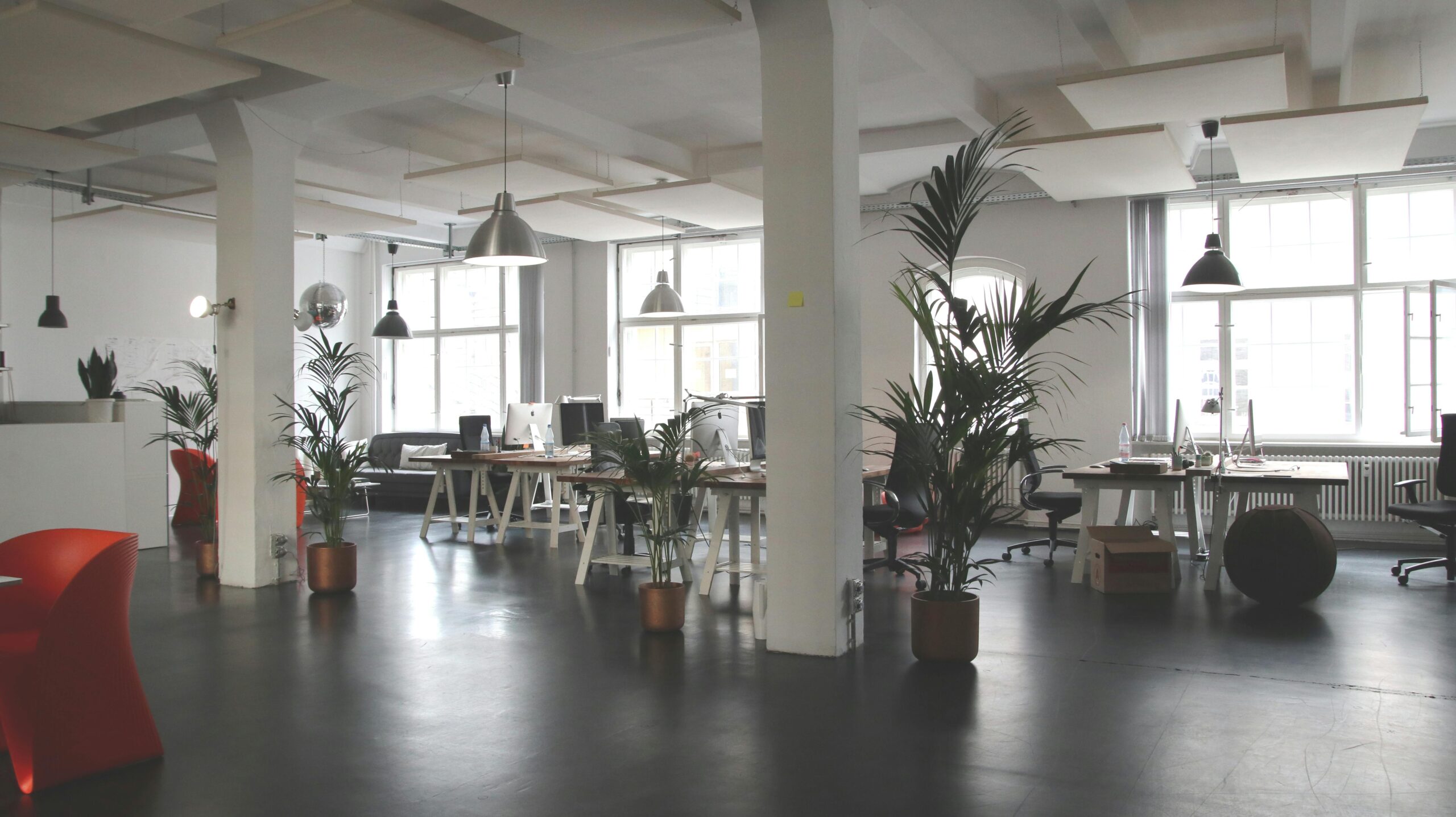
The office is no longer just a place where people go to work. It has become a strategic tool, just like technology, recruitment, and organizational structure. In Montreal, as elsewhere, more and more companies are turning to flexible offices to support their growth without locking themselves into rigid commitments that hinder expansion.
But not all flexible offices are created equal, and more importantly, they don’t all meet the same needs depending on a company’s stage of development. A startup in its early stages, a well-established SME, or a hybrid team will have different priorities and constraints. Choosing the right type of space at the right time can make a real difference to productivity, internal culture, and financial health.
This article provides a clear and practical overview of different company profiles and the flexible office solutions best suited to each stage of growth.
The flexible office as a lever for growth
Before looking at specific cases, it is essential to understand why flexibility has become a key criterion. The traditional model of long-term commercial leases was appropriate at a time when workforces were stable, working patterns predictable, and growth more linear. Today, businesses operate in a much more volatile environment.
Staff numbers can double in a matter of months, then stabilize. Teams may be partially remote. Projects follow one after another, with occasional needs for space, meeting rooms, or client meeting areas. In this context, flexible office space allows you to quickly adjust the size, layout, and services without tying up significant financial resources.
It is this adaptability that makes it a true management tool rather than just a fixed expense.
Startups in the launch phase: maximum flexibility and cost control
For a startup in its early stages, every decision counts. Resources are limited, priorities are numerous, and the future is, by definition, uncertain. The office must therefore support the business without becoming a financial or operational burden.
At this stage, flexibility is the main expectation. The ability to commit to short-term leases, quickly add or remove workstations, and limit initial costs is essential. Startups rarely have an interest in investing in furniture, renovations, or technical infrastructure. They need a space that is ready to use, functional, and professional.
A well-designed flexible office also helps structure work from the outset. It provides a clear setting, distinct from home, that promotes concentration, collaboration, and credibility, particularly when dealing with investors or first clients.
For a startup, the environment also plays a key role in the emerging corporate culture. A bright, well-located, and pleasant space helps to create a sense of belonging and attract early talent, who are often as sensitive to the atmosphere as they are to the project itself.
Growing startups: supporting acceleration without disruption
When a startup enters a phase of more sustained growth, its needs evolve rapidly. The team expands, roles become more specialized, meetings multiply, and coordination issues become more complex.
At this stage, the main risk is to be constrained by the space rather than using it as a support. An office that is too small hinders collaboration and causes frustration. Conversely, a space that is too large ties up unnecessary resources and gives an impression of emptiness.
Flexible, modular offices are particularly well suited to this phase. They allow you to gradually increase the number of workstations, add closed offices for roles requiring more concentration or confidentiality, and provide meeting rooms suitable for larger teams.
The challenge is no longer just financial flexibility, but also work organization. A good workspace supports the structure of the company without stifling it. It allows you to anticipate growth without making irreversible decisions too early.
Established SMEs: regaining agility without losing stability
Unlike startups, SMEs often have a more stable structure, relatively constant staffing levels, and well-established business activities. However, more and more of them are questioning the traditional office model.
There are many reasons for this. On the one hand, needs change over time: new teams, temporary projects, internal reorganization. On the other hand, the relationship to work has changed, both for managers and employees. Flexibility has become a criterion for attractiveness and retention.
For an SME, flexible office space is not a sign of instability, but rather a way to gain agility while maintaining a solid professional framework. It reduces fixed costs, simplifies day-to-day management, and provides access to integrated services without having to deal with multiple providers.
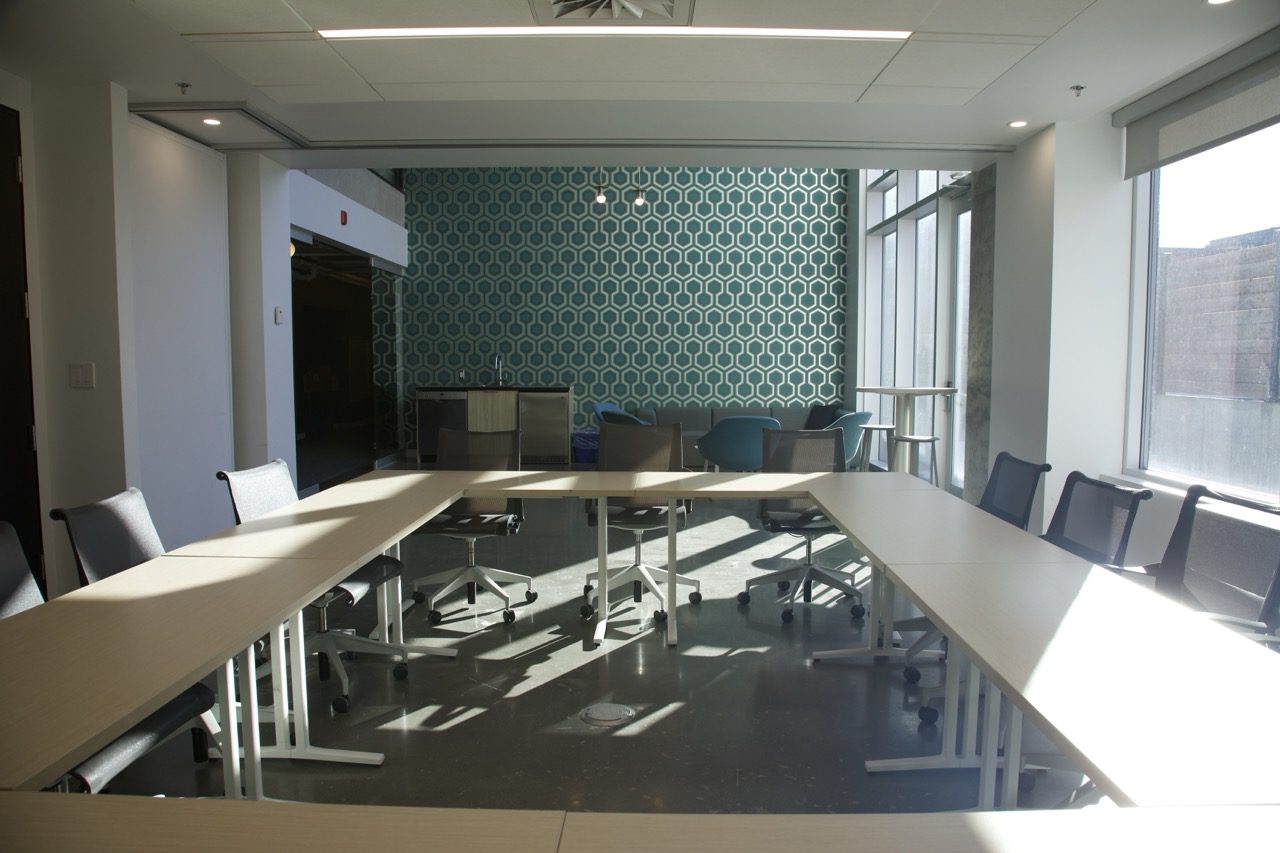
Spaces offering private offices, combined with well-designed common areas, are particularly well suited to this profile. They offer the necessary peace and privacy, while promoting informal exchanges and cross-functional collaboration.
Hybrid teams: rethinking the role of the office
With the rise of remote working, many companies now operate in hybrid mode. The office is no longer a place occupied full-time by all employees, but rather an anchor point for meetings and coordination.
In this context, the question is no longer just how many workstations are needed, but how the space is used. The office becomes a gathering place for team meetings, collaborative work sessions, onboarding new employees, and key moments in the life of the company.
Flexible offices respond to this logic by offering varied and adaptable configurations. Modular spaces, meeting rooms available on demand, and welcoming common areas are taking precedence over fixed individual workstations.
This model also allows for better cost management, avoiding paying for unused square footage. It offers a pragmatic response to a more fluid and less predictable work reality.
The office as a tool for cohesion in hybrid teams
One of the major challenges facing hybrid teams is maintaining a strong corporate culture despite the distance. The office therefore plays a symbolic and strategic role. It becomes a place where people can meet, exchange ideas, and strengthen ties.
A high-quality, well-located, and pleasant space naturally encourages employees to move around and socialize. It helps make time spent at the office useful and enjoyable, rather than a chore.
Flexible offices that emphasize experience, comfort, and functionality are particularly well suited to these challenges. They enable companies to offer an environment that is consistent with their values and way of working.
Choose a flexible office based on your actual priorities
Regardless of the stage of growth, the choice of a flexible office must be based on the actual needs of the company, not on a preconceived model. It is essential to analyze the current size of the team, its short- and medium-term growth, the degree of teleworking, and the nature of the activities.
Location also plays a key role, particularly in terms of employee accessibility and customer perception. A well-located office can strengthen brand image and facilitate professional exchanges.
Finally, the quality of services offered, adaptability, and ease of management are key criteria. A flexible office should free up time and energy, not consume it.
Conclusion: a space that evolves with you
The flexible office is not a one-size-fits-all solution, but rather a set of possibilities that must be aligned with the company’s stage of growth. For a startup, it’s all about flexibility and cost control. For an SME, it’s about agility and operational comfort. For a hybrid team, it’s about cohesion and efficiency.
By choosing a space that can evolve at the same pace as the company, managers transform the office into a real strategic lever. A place that supports growth, supports teams, and adapts to the realities of modern work, without unnecessary compromise.