
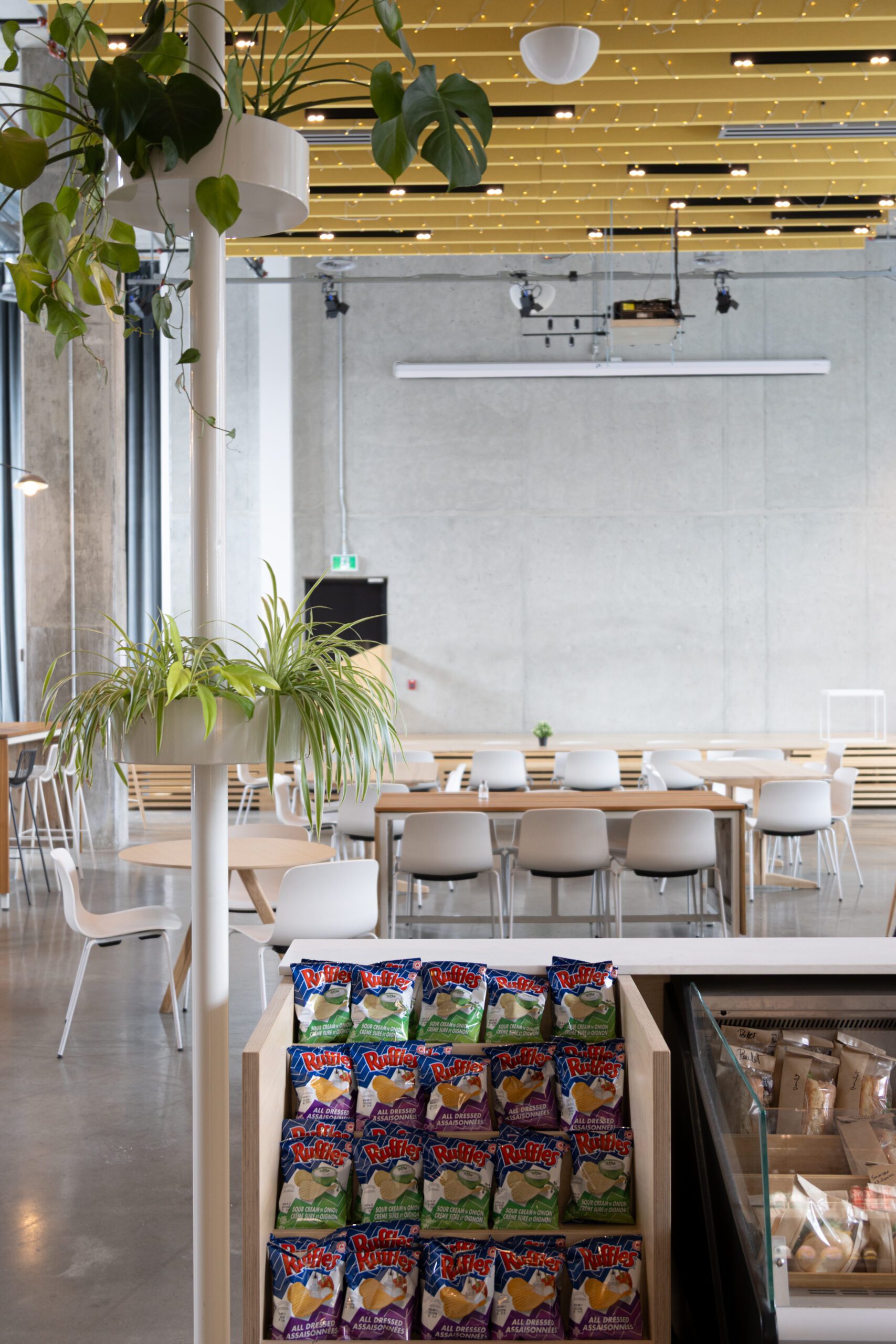
In a professional world where efficiency, innovation, and employee satisfaction have become essential, the work environment now plays a decisive role. Companies sometimes forget this, but the space where we work directly influences our energy, concentration, motivation, and even our ability to collaborate. In recent years, one concept in particular has emerged as a powerful lever: biophilic design.
This term may seem complex, but the principle behind it is simple: integrating nature into workspaces to create a healthier, more human, and more inspiring environment. Plants, natural light, organic materials, soothing sounds, natural colors… All these elements stimulate our senses and reactivate a fundamental connection: the one that unites us with nature, even in an urban office.
Far from being just an aesthetic trend, biophilic design is now backed by science. Its impact on well-being and creativity is measurable. Companies that incorporate it see improved mood, reduced stress, increased productivity, and even greater innovation.
In this article, we will explore why biophilia works so well, how it transforms employees’ daily lives, and how modern spaces such as Espaces Waverly can take full advantage of this concept to create a stimulating, calming, and highly creative environment.
Understanding biophilia: a fundamental human need
The word “biophilia” comes from the Greek bio (life) and philia (love), and refers to our natural tendency to seek a connection with nature. This connection has always existed: for thousands of years, humans have evolved in green, bright, organic, and living environments. Modern offices, with their white walls, artificial lighting, and rigid furniture, are a very recent development.
This creates a disconnect between what our brains need and what we impose on them on a daily basis. Biophilic design aims to bridge this gap by reintroducing natural elements into our workspaces to support our well-being, attention, and performance.
The three pillars of biophilia
Biophilia can be divided into three main categories:
-
Direct natural elements: plants, water, natural light, fresh air.
-
Indirect natural elements: colors inspired by nature, materials such as wood or stone, organic patterns.
-
Spaces inspired by nature: rest areas reminiscent of clearings, fluid circulation reminiscent of trails, open spaces that evoke a horizon.
These elements work together to create a more vibrant, balanced, and pleasant workplace.
The effects of biophilic design on well-being
Well-being at work is not limited to offering a comfortable chair or flexible hours. It is nourished by positive emotions, pleasant physical sensations, and a general feeling of comfort and security. Biophilia meets these needs perfectly.
Stress reduction
Studies show that the presence of plants and natural elements significantly reduces levels of cortisol, the stress hormone. The sight of a plant, daylight, or even natural materials is enough to calm the nervous system. This results in a better mood and a greater ability to cope with challenges.
Improved mood
Working in a bright, lively, and welcoming environment promotes the secretion of serotonin, which is linked to well-being. Employees feel calmer, more motivated, and more in tune with their surroundings.
Reduction of mental fatigue
The human brain needs natural micro-breaks. In nature, our eyes rest on organic shapes, soft colors, and subtle movements. In urban environments, this is not the case. Integrating these elements into an office space allows the mind to “breathe” naturally, which limits cognitive overload.
Improving air quality
Plants help purify the air by absorbing certain toxins and slightly increasing humidity levels. Better air quality means fewer headaches, greater concentration, and more energy.
The direct impact on creativity
Creativity does not thrive in stressful, rigid, or monotonous environments. It emerges when the mind feels free, rested, and inspired. And that is precisely what a biophilic environment promotes.
A more stimulating environment
Natural colors, textures, and shapes activate areas of the brain associated with curiosity and imagination. They engage the senses in subtle yet rich ways, promoting more fluid and open thinking.
Better concentration
Biophilia not only stimulates; it balances. By reducing stress and cognitive load, employees are more focused and can work longer without burning out. Better concentration automatically leads to more consistent and deeper creativity.
Greater fluidity of ideas
Places inspired by nature create a sense of freedom, mental space, and openness. These are all essential conditions for thinking differently, proposing new ideas, and collaborating more effectively.
Better collaboration
Warm and soothing environments encourage natural and spontaneous interactions between colleagues. A team’s creativity stems as much from individual ideas as it does from exchanges between people.
How to integrate biophilia into modern workspaces
Not all companies have the opportunity to completely transform their offices, but biophilia can be incorporated on a small or large scale.
Prioritize natural light
Position workstations near windows, use transparent partitions, maximize daylight… Natural light is the most powerful biophilic element.
Add sufficient quantities of plants
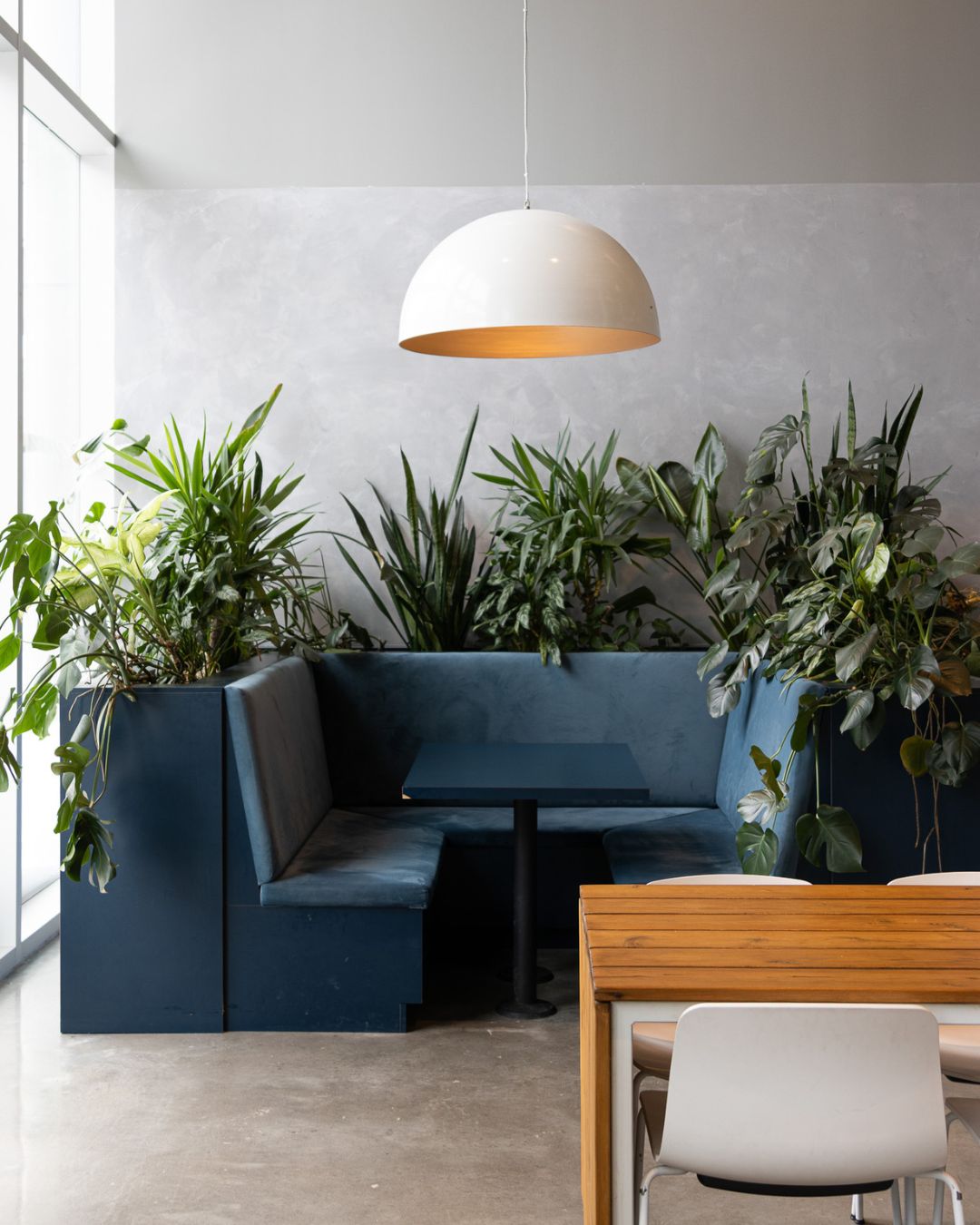
It’s not about placing a few small plants here and there, but rather incorporating a variety of plants in groups, of different sizes and textures. Green walls or indoor trees can transform a space.
Use natural materials
Light wood, rough stone, linen, cork, and organic fabrics create a warmer and more soothing environment than plastic or metal.
Incorporate organic patterns
Rounded shapes, curves, and nature-inspired patterns can replace the rigid lines that are ubiquitous in traditional offices.
Create areas inspired by nature
Relaxation areas reminiscent of a forest clearing, a reading corner surrounded by plants, a bright lounge with an outdoor view… These areas become havens for concentration or creative moments.
Integrate sensory elements
Water fountains, soft sounds, and light natural scents (such as eucalyptus or pine) create a soothing multisensory atmosphere.
The unique contribution of a space like Espaces Waverly
Some places naturally facilitate the integration of biophilic design. Espaces Waverly is one such place, thanks to its architectural features and modern vision of work environments.
An abundance of natural light
Large windows, bright spaces, and open areas maximize exposure to daylight, a key element for creativity and well-being.
Aesthetics inspired by natural materials
Warm textures, organic materials, and soft hues create a welcoming and soothing atmosphere, ideal for teams.
Relaxation areas conducive to inspiration
Espaces Waverly offers areas where you can isolate yourself, read, reflect, or collaborate, promoting a more natural dynamic and better circulation of ideas.
An opening to the outside world
Whether it’s the multisport roof, the terraces, or the view of the neighborhood, this access to the outdoors energizes teams and directly responds to the human need for contact with air and space.
A flexible environment
Waverly’s modular design makes it easy to integrate additional biophilic elements according to the needs of businesses: extra plants, temporary installations, relaxation workshops, green spaces for events, etc.
Why biophilia is becoming standard in tomorrow’s offices
Employee expectations have changed. They no longer want impersonal, cold, or entirely artificial spaces. They are looking for environments that promote their physical and mental health, creativity, and ability to collaborate. In this context, biophilia is not only an advantage, but a necessity.
Better overall performance
Companies that adopt biophilia often see improvements in productivity, creativity, and overall work environment.
A reduction in absenteeism
A workplace that supports mental and physical health directly contributes to reducing sick days and burnout.
Enhanced appeal
Talented individuals now choose companies that offer stimulating, humane, and balanced work environments.
Consistency with modern values
Sustainability, well-being, environmental awareness: biophilia perfectly reflects the values that guide today’s businesses.
Conclusion: a more humane environment for sustainable performance
Biophilic design is not simply an aesthetic choice. It is a profound investment in the health, creativity, and motivation of teams. By reconnecting employees with nature, even in an urban office, companies create a more balanced, inspiring, and productive environment.
Whether through more natural light, carefully chosen plants, warm materials, or nature-inspired relaxation areas, biophilia is transforming the way employees experience their daily work lives.
In a space like Espaces Waverly, this concept takes on its full meaning. The light, textures, relaxation areas, outdoor access, and flexible design create an environment where nature is present, even in the heart of Montreal.
And when teams work in a place where they feel comfortable, connected, and inspired, everything changes: creativity increases, collaboration improves, and overall performance rises.