The world of work has changed profoundly in recent years. Between remote working, hybrid teams, the rapid growth of certain companies, and economic uncertainty, the traditional office model—with its rigid five- or ten-year leases—no longer meets the needs of many organizations. In Montreal, this transformation is particularly visible. Companies, from start-ups to established SMEs, are now looking for more agile, scalable, and people-centric solutions.
It is in this context that flexible offices are emerging as a concrete and sustainable solution. Far from being a passing trend, they represent a new way of thinking about the workplace: more adaptable, more strategic, and more aligned with the reality of today’s businesses.
A changing job market
Montreal is known for its entrepreneurial dynamism, growing technology ecosystem, and high concentration of creative and specialized talent. However, this vitality comes with a constantly changing environment. Companies are growing faster, pivoting more often, and reorganizing their teams with greater flexibility than before.
In this context, committing to a traditional commercial lease can become a hindrance. Renting a large fixed space for several years involves significant risks: overestimating needs, high fit-out costs, and a lack of flexibility in the event of rapid downsizing or expansion.
Flexible offices respond directly to this reality. They allow companies to adjust their space according to their growth, projects, and teams, without being tied down by heavy real estate commitments.
The end of the “one-stop shop” for everyone
The uniform office model, where each employee has a designated workstation in a fixed space, is becoming less and less relevant to today’s ways of working. Teams are hybrid, some employees work remotely several days a week, and needs vary from department to department.
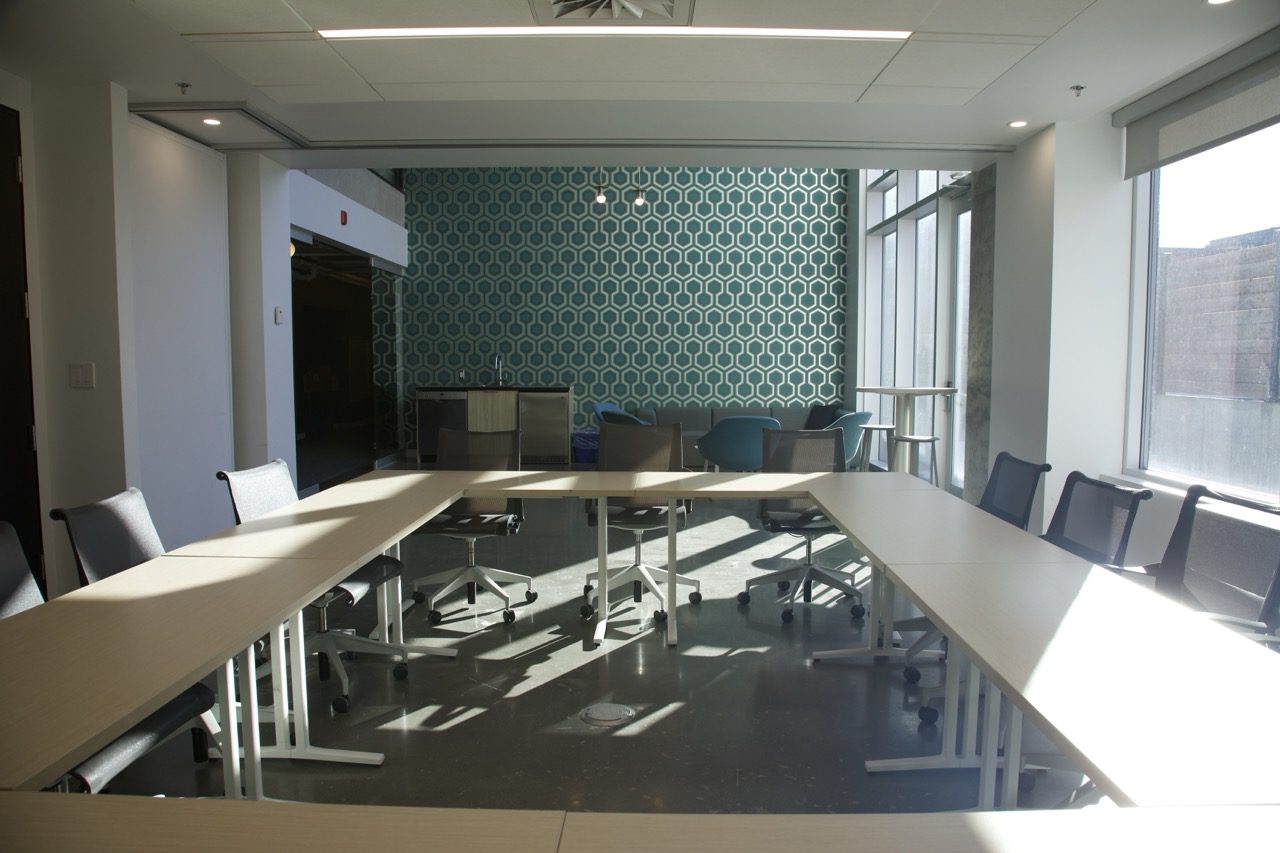
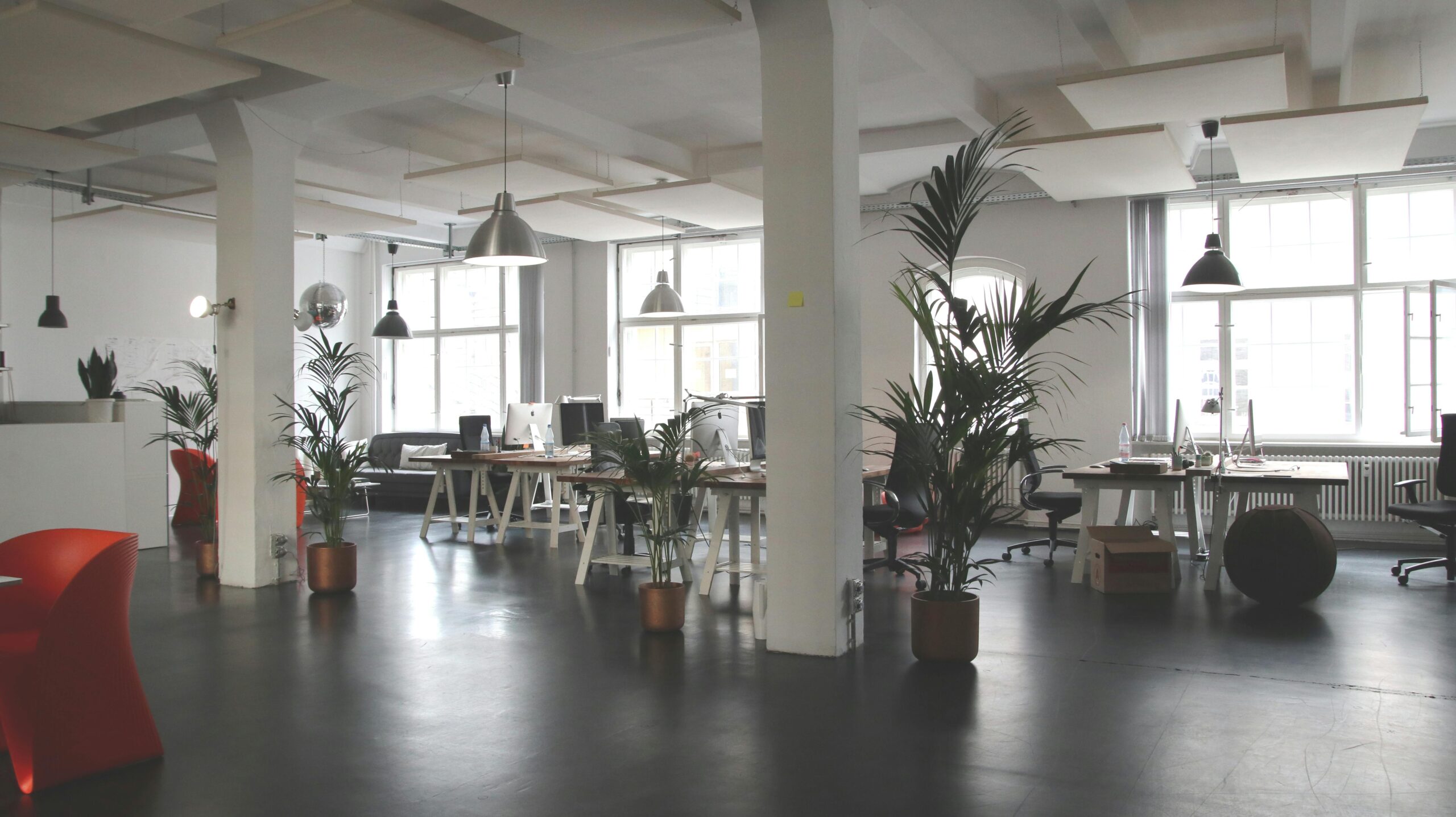
Flexible offices offer a more modular approach. They allow different types of spaces to be combined: closed offices for concentration, meeting rooms for collaboration, common areas for informal exchanges, and multipurpose spaces for special projects. This diversity promotes a more intelligent use of square footage.
Instead of paying for empty workstations several days a week, companies are investing in environments that are actually used and suited to their teams’ activities.
A direct response to financial challenges
In Montreal, as elsewhere, the costs associated with traditional offices are significant: long-term leases, fit-out costs, furniture, maintenance, utilities, internet, cleaning, security, and more. Added to this are hidden costs: administrative management, time spent dealing with suppliers, and unexpected technical issues.
Flexible offices generally combine these elements into a simpler and more predictable cost structure. This allows companies to better control their budgets and avoid massive initial investments. This approach transforms a heavy fixed expense into a more flexible and adjustable cost.
For growing businesses, this also means being able to invest more in their development—recruitment, marketing, innovation—rather than tying up resources in real estate.
Agility as a competitive advantage
In an uncertain economic environment, agility becomes a strategic asset. Companies must be able to react quickly: hire a new team, launch a temporary project, set up a hub in a new neighborhood, or, conversely, reduce their space during a slowdown.
Flexible offices make these adjustments much easier. Rather than renegotiating a lease or subletting excess space, organizations can adapt their configuration more easily. This ability to evolve quickly directly supports business performance and resilience.
In Montreal, where several sectors are experiencing rapid cycles—technology, digital creation, audiovisual production, start-ups—this flexibility is particularly valuable.
Attracting and retaining talent
The office is no longer just a place to work: it is also a tool for employer branding. Today’s professionals place great importance on their working environment. They are looking for bright, well-located, comfortable, and stimulating spaces.
A well-designed flexible office often offers a better experience than a traditional, standardized office. The spaces are designed to promote well-being, collaboration, and creativity. This sends a strong message to current and future employees: the company is investing in their comfort and quality of life.
In Montreal, where competition to attract certain profiles is fierce, having a modern and adaptable workspace can make all the difference in the recruitment process.
Supporting hybrid teams
Hybrid working is now firmly established in many organizations. Employees alternate between working from home and the office, which completely changes the function of the workspace.
The office is no longer just a place where people come to perform individual tasks, but a place for collaboration, meeting, and team building. Flexible offices are particularly well suited to this role. They can accommodate teams when they meet, organize workshops, training sessions, or strategic meetings, without maintaining a large space that is constantly underutilized.
This approach optimizes both space and the employee experience.
A better everyday experience
The quality of the working environment has a direct impact on motivation and productivity. Natural light, acoustics, comfortable furniture, relaxation areas, well-equipped rooms: all these elements have a real impact on the well-being of teams.
Modern flexible offices often incorporate these dimensions into their design. The goal is not only to provide workstations, but to create an inspiring and functional environment. Employees find it easier to strike a balance between concentration and collaboration.
In the long term, this quality of environment helps reduce stress, promote engagement, and strengthen the sense of belonging.
Spaces that evolve with the company
A company never stays static. It grows, reorganizes, launches new services, and creates new teams. Offices must be able to keep pace with these changes.
Flexible offices make it easier to reconfigure spaces: add workstations, create a new meeting room, set up a temporary project space. This ability to evolve avoids frequent and costly relocations.
Rather than being constrained by the physical limitations of their premises, companies can align their working environment with their strategy.
Integrating corporate events
The needs of organizations often go beyond the simple framework of everyday work. Strategic meetings, product launches, customer workshops, internal training sessions, team evenings: events are an integral part of corporate life.
Having a flexible environment makes it easier to organize these key moments. Spaces can be adapted to accommodate different formats, without having to find an external venue each time. This simplifies logistics, reduces costs, and ensures consistency in the company’s image.
This versatility further reinforces the relevance of flexible offices in a global vision of work.
A choice aligned with new values
Companies are placing increasing importance on social and environmental responsibility. Optimizing the use of space, avoiding unused areas, and pooling certain resources are all part of this approach.
Flexible offices promote more rational use of real estate. Less wasted space, fewer costly renovations, and greater overall efficiency: these factors contribute to a more sustainable approach.
For Montreal organizations concerned about their impact, this model represents an option consistent with their commitments.
Montreal, an ideal place for flexibility
The diversity of Montreal’s neighborhoods, the richness of its entrepreneurial fabric, and the concentration of talent create a particularly favorable environment for flexible offices. Companies want to set up shop in dynamic, accessible, and attractive areas for their teams.
Real estate flexibility allows you to choose a strategic location without locking yourself into a long-term commitment. It also offers the possibility of adjusting your geographic presence over time, in line with changes in your activities and teams.
In a city as vibrant and ever-changing as Montreal, this adaptability becomes a major advantage.
Towards a new standard
Flexible offices are no longer a marginal alternative solution. They are gradually becoming the norm for many companies seeking to balance performance, agility, and quality of life at work.
They reduce risks, optimize costs, support hybrid teams, and create more stimulating environments. Above all, they restore the workplace to its strategic role: a lever for culture, collaboration, and growth.
In Montreal, where innovation and entrepreneurship play a central role, this trend seems set to become firmly established. Companies that adopt flexible office solutions now are positioning themselves not only to meet today’s challenges, but also to seize tomorrow’s opportunities.