Flexible working has become the norm rather than a perk. Flexible hours, hybrid workplaces, increased autonomy: on paper, everything is in place to help people manage their time better. However, many professionals are finding the opposite to be true: overflowing workdays, fragmented concentration, and the feeling of always being in a race against the clock.
Flexible offices, such as those offered by Espaces Waverly, provide an ideal setting for regaining control over your time. However, it is important to know how to use them strategically. This article explores best practices for optimizing time management in a flexible work environment without becoming overwhelmed or distracted.
Understanding the link between workspace and time management
Time management does not depend solely on tools or methods. It is deeply influenced by the environment in which we work. An unsuitable space can sabotage even the best intentions: constant distractions, discomfort, lack of structure.
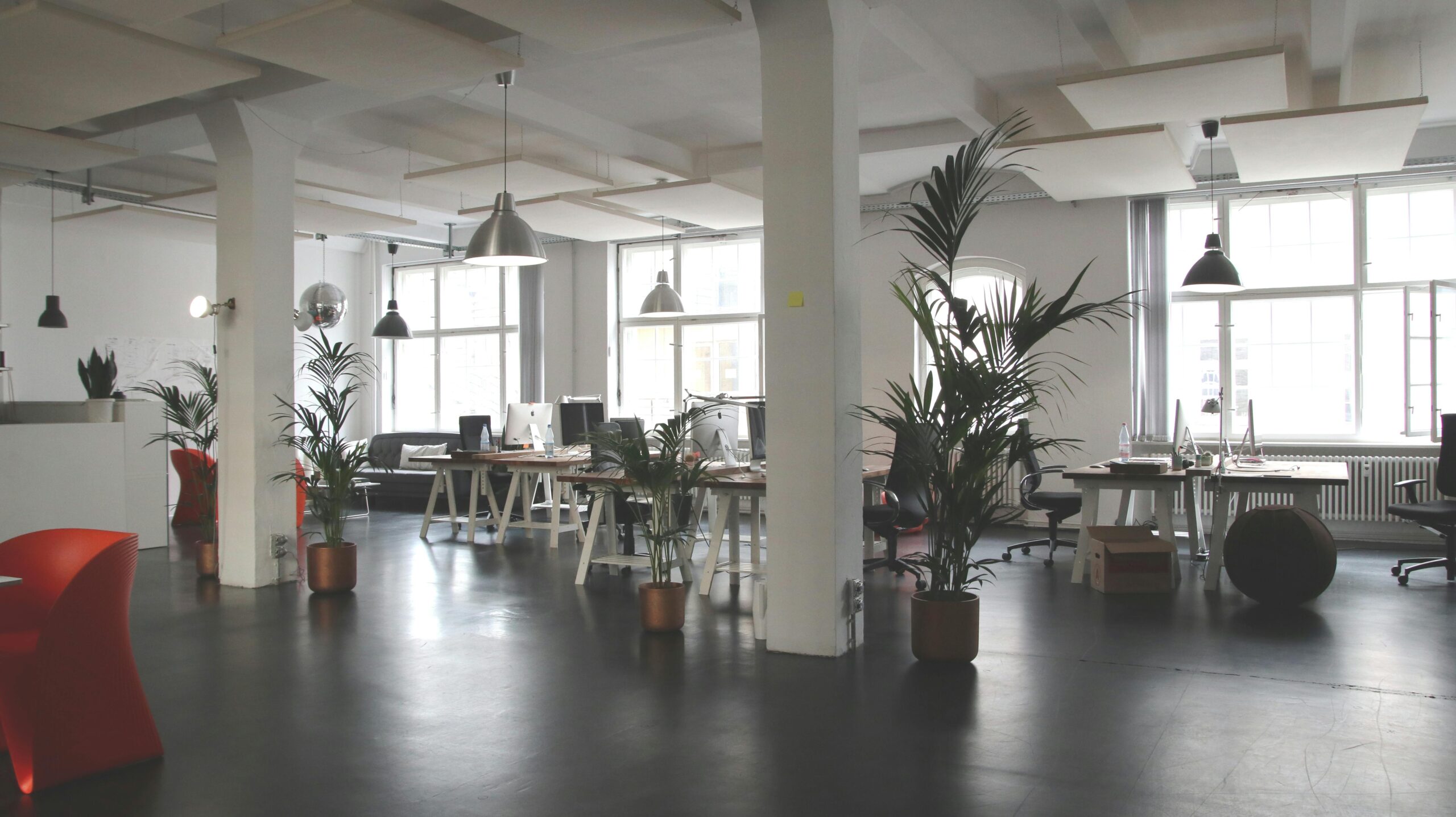
Flexible offices provide a concrete solution to this problem by offering different types of spaces depending on needs: quiet areas, meeting rooms, collaborative spaces, relaxation areas. This diversity allows the space to be aligned with the task at hand, which is one of the most powerful ways to save time.
Working in the right place at the right time reduces unnecessary interruptions and improves the quality of attention.
Structure your days within a flexible framework
Flexibility does not mean a lack of structure. On the contrary, the more adaptable the environment, the more essential it is to establish a clear framework for your days.
Start by setting aside specific time slots for different types of tasks to avoid spreading yourself too thin. For example, reserve mornings for tasks that require concentration, and afternoons for meetings, discussions, or follow-ups.
In a flexible office, this organization can be reinforced physically: choose a quiet space for in-depth work, then change areas for more collaborative moments. This simple change of environment acts as a mental cue and helps you stay focused.
Using space to improve concentration
One of the main enemies of good time management is distraction. Notifications, conversations, unexpected requests: every interruption has a significant cognitive cost.
Flexible offices help limit this phenomenon by providing areas dedicated to concentrated work. Knowing how to use them is a skill in itself. It involves recognizing when you need peace and quiet and daring to isolate yourself, even in a shared environment.
It is also helpful to establish personal rules: phone on silent mode, messaging closed during certain times, headphones as a signal of unavailability. These micro-habits, combined with a suitable space, can radically transform productivity.
Plan your tasks with intention
Workplace flexibility can give the illusion of total freedom, which sometimes results in a lack of prioritization. To avoid this, planning remains essential.
At the beginning of each week, taking the time to set priorities helps you maintain a clear vision. The goal is not to fill every minute, but to identify tasks with high added value.
In a flexible office, this planning can be made more effective through simple rituals: reviewing priorities in a quiet space, taking stock at the end of the day in a more relaxed area. The setting influences the quality of thinking, which is often underestimated in time management.
Reduce time wasted in meetings
Meetings are one of the biggest time sinks in the professional world. Yet they are unavoidable, especially in collaborative environments.
Flexible offices offer an opportunity to better manage these moments. Having well-equipped meeting rooms encourages more structured and shorter discussions. Before each meeting, it is essential to define a clear objective and a specific duration.
Limiting the number of participants and focusing on targeted discussions also helps reduce wasted time. A good practice is to ask yourself: does this meeting really require everyone to be physically present, or would an asynchronous discussion suffice?
Incorporate smart breaks into your day
Working longer does not mean working better. Effective time management also involves taking regular, intentional breaks.
Flexible spaces often include relaxation areas designed to promote mental recovery. Using these spaces without guilt is an important key to sustainable performance.
Short but frequent breaks help maintain a constant energy level throughout the day. They also reduce the risk of decision fatigue, which is often responsible for wasted time at the end of the day.
Adapt your schedule to your natural rhythm
Not everyone is productive at the same times. Flexible working finally allows these individual differences to be respected.
Some people are more productive early in the morning, others at the end of the day. Flexible offices make this adaptation possible by offering extended access and varied environments.
Identifying your peaks of concentration and organizing your tasks accordingly is one of the most effective strategies for improving your time management without increasing your workload.
Establish clear boundaries between work and personal life
Flexibility can sometimes blur boundaries, especially when working from home is combined with the use of shared spaces. Flexible offices play an important structuring role here.
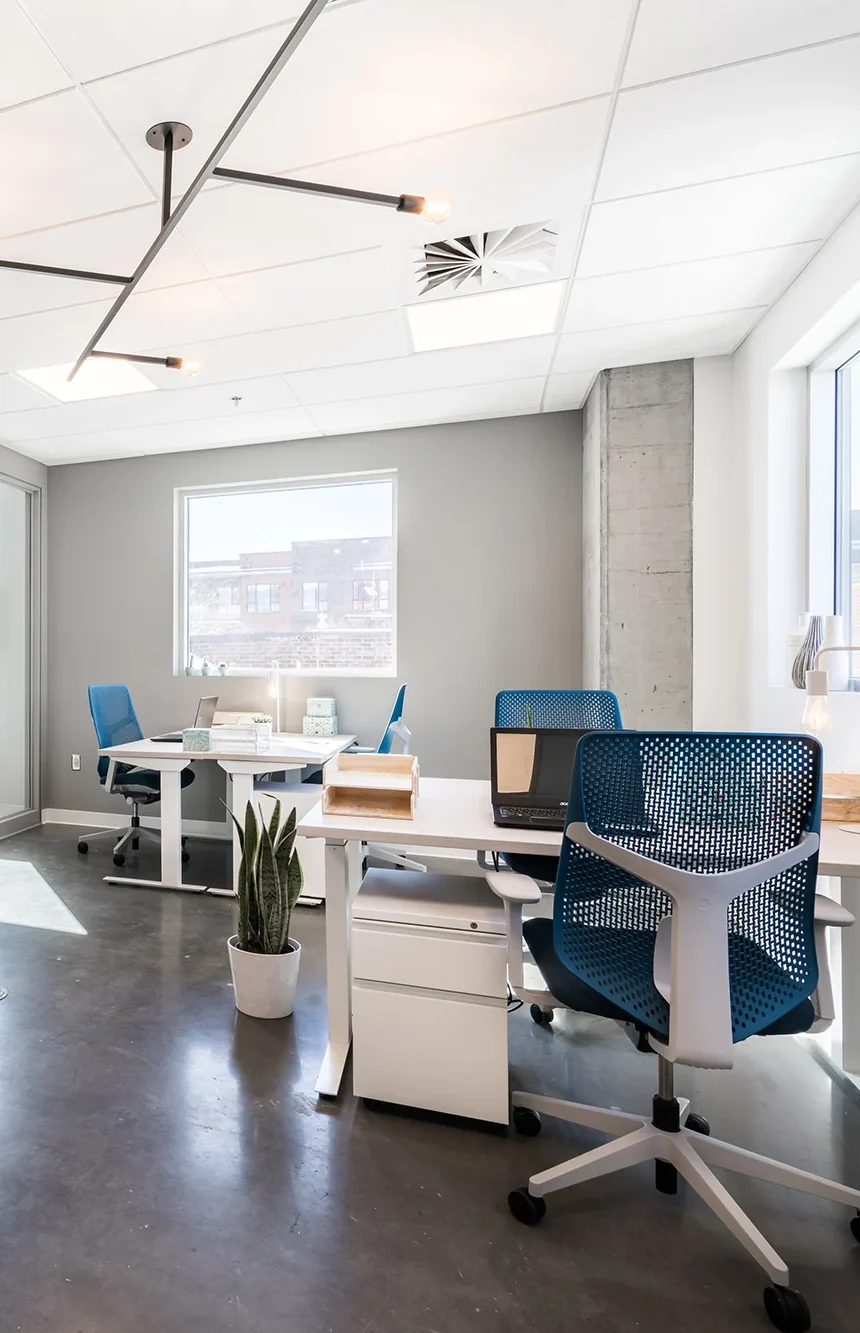
Physically moving to a space dedicated to work helps to create a mental separation between professional and personal life. This clear boundary allows you to concentrate better during working hours and to truly switch off afterwards.
Good time management also includes respecting your own limits. Knowing when to stop is just as important as knowing when to get to work.
Use the community as leverage, not as a distraction
One of the great advantages of flexible offices is the human richness they offer. Spontaneous exchanges, opportunities for collaboration, sharing of expertise: all of this has real value.
However, without structure, this wealth of resources can become a source of distraction. The key is to use the community intentionally. Scheduling dedicated time for discussions, events, or networking allows you to reap these benefits without encroaching on work time.
This approach transforms social interactions into investments rather than interruptions.
Rethinking the concept of productivity
Time management should not be a race for constant performance. Flexible offices invite us to rethink productivity as a balance between efficiency, well-being, and sustainability.
Working better often means working more consciously: choosing your priorities, adapting your environment, respecting your own pace. Flexible spaces provide the necessary tools, but it is how you use them that makes the difference.
Why flexible offices facilitate better time management
Flexible offices are not just a real estate trend. They respond to a deep need for adaptation and control in an ever-changing world of work.
By offering flexible spaces, increased autonomy, and a structured professional environment, they enable the implementation of healthier and more effective time management practices.
Espaces Waverly is fully aligned with this vision: creating environments that support concentration, collaboration, and balance, without unnecessary rigidity.
Conclusion
Time management is not solely based on digital methods or tools. It is closely linked to the space in which we operate every day.
Flexible offices offer a unique opportunity to regain control of your organization, provided you adopt conscious and intentional practices. Structuring your days, choosing the right space for each task, respecting your pace and your limits: these are all levers that are accessible in a well-designed flexible environment.
By combining flexibility and structure, it becomes possible to work better, with greater clarity and less pressure. And that is often when time ceases to be an enemy and becomes an ally again.